
Timeline tips for master's application preparation
Ever tried juggling a full-time job, family dinners, and the chaotic whirlwind of applying to a master's program? I remember my own scramble a few years back—it felt like chasing a bus that kept pulling away just as I got close. But hey, that's life, right? With a bit of smart planning, you can turn that frenzy into a breezy stroll. Today, we're diving into timeline tips for master's application preparation, making the whole process feel less like a marathon and more like a casual hike.
Master's application timelines are your secret weapon to avoid last-minute panics and boost your odds of getting into that dream program. Essentially, it's about mapping out months in advance to gather documents, prep essays, and line up recommendations without the stress. Start by eyeing key dates—most applications open in the fall for the next academic year—so you can pace yourself and submit a polished package that screams "I'm ready!" This approach not only eases the burden but also lets you shine as a thoughtful candidate.
Picture this: universities aren't just looking at your grades; they're gauging your organization and passion. A solid timeline means you're not rushing through essays or forgetting transcripts, which could tank your chances. For instance, I once helped a friend who began six months early—he landed spots at two top schools. So, if you're wondering how to apply to university master's programs effectively, focus on breaking it down into manageable chunks rather than tackling it all at once.
Why Get a Head Start on Your Master's Journey?
Let's face it, applying to master's programs isn't just about filling out forms—it's a rite of passage that demands foresight. Think of it like planting a garden; you wouldn't wait until winter to sow seeds, right? Starting early gives you breathing room to research programs that align with your goals, whether it's a tech-focused MBA or a creative writing MA. From my chats with alumni, the key is avoiding the "application avalanche" where everything piles up in November or December.
Interview techniques for master's program entryIn the world of higher ed, deadlines vary wildly—some schools have rolling admissions, while others drop the guillotine on January 1st. A meme I saw online nailed it: "Procrastination is like a credit card; it's a lot of fun until you get the bill." So, mark your calendar for preliminary research in the summer, giving you time to tweak your personal statement or hunt for scholarships. This relaxed pace keeps burnout at bay and lets your authentic story shine through.
Breaking Down the Essential Steps in Your Timeline
Alright, let's get practical. Here's how to structure your preparation without making it feel like a chore. We'll keep it light, like outlining a road trip playlist.
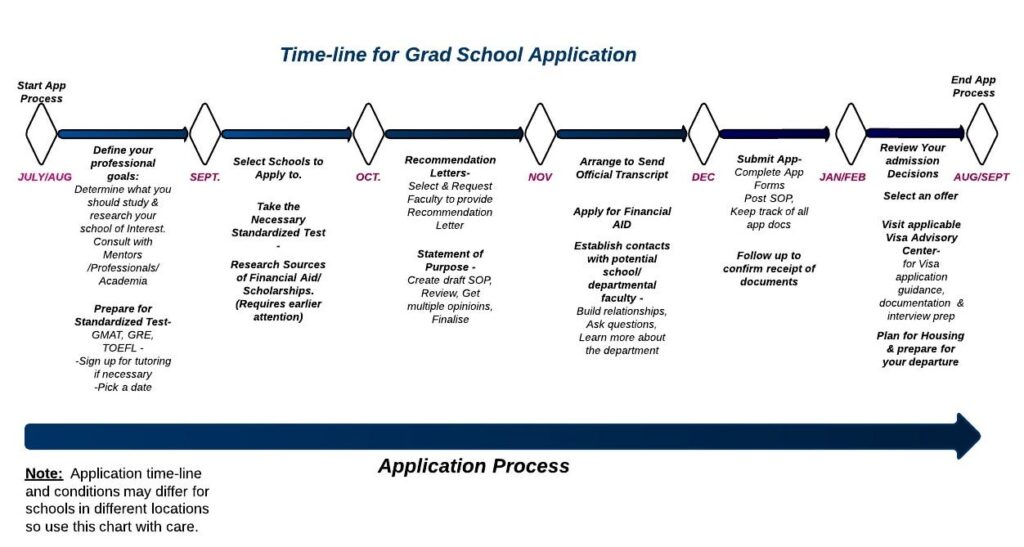
1 Kick off with self-assessment in the spring or early summer. Reflect on your career aspirations and why a master's fits—jot down notes on programs that excite you, much like scrolling through Netflix for the perfect show.
2 Dive into research by mid-summer. Compare university options using online forums or campus virtual tours—it's like window-shopping for your future. Look for application requirements for master's programs, such as GRE scores or work experience, to avoid surprises.
Letter of recommendation insights for applicants3 Gather documents in the fall. This means requesting transcripts, lining up recommendation letters, and drafting essays. Pro tip: Treat your essay like a heartfelt letter to an old friend—be genuine and engaging.
4 Polish and submit by late fall or early winter. Double-check everything, from formatting to deadlines, because one typo can feel like a stubbed toe in a dark room.
Tailoring Your Application to Stand Out
Now, not all master's applications are created equal—it's like customizing a coffee order. Some programs crave research proposals, while others want portfolio samples. To keep things relaxed, think about weaving in personal touches, like referencing a cultural event that shaped your interests. For example, if you're into environmental science, tie in that time you volunteered at a local cleanup, inspired by a viral TikTok challenge.
Avoid the trap of generic statements; admissions committees see through them faster than a bad plot twist. Instead, use university master's preparation tips to highlight what makes you unique, perhaps drawing from everyday observations. And if you're comparing programs, here's a quick table to help:
Evaluating master's curricula by university| Program Type | Typical Timeline | Key Focus |
|---|---|---|
| Business Master's | Start prep 6-9 months ahead | Professional experience and GMAT scores |
| STEM Master's | 8-12 months in advance | Research background and technical skills |
| Arts and Humanities | 5-7 months | Portfolio and creative writing samples |
Wrapping Up with a Fresh Perspective
As you navigate this path, remember that applying to master's programs is as much about growth as it is about acceptance letters. It's like flipping through a photo album of your ambitions—each step builds toward something bigger. So, what's holding you back from mapping out your own timeline today? Dive in, tweak as needed, and watch how a little foresight turns dreams into plans.
Frequently Asked Questions
Q1: How early should I start preparing for a master's application? Aim to begin at least six months ahead to handle research and revisions without stress—think of it as marinating a steak for the best flavor.
Q2: What if I miss a deadline? Don't panic; some schools have late rounds, but it's rare. Use it as a lesson to stay organized for next time, like resetting a video game level.
Q3: Do I need professional help for my application? Not always—many succeed solo, but if you're stuck, a mentor can offer insights, similar to getting tips from a seasoned traveler.
Career perks from an English master's qualificationSi quieres conocer otros artículos parecidos a Timeline tips for master's application preparation puedes visitar la categoría How to apply.
Entradas Relacionadas