
Career perks from an English master's qualification
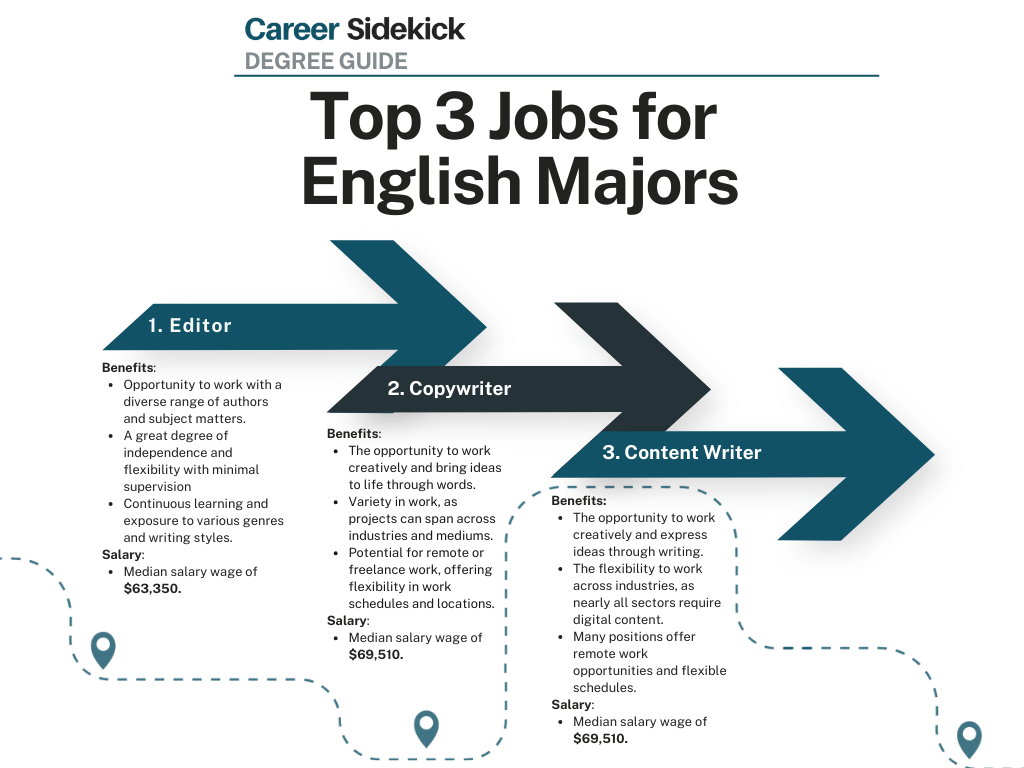
Ever thought about diving into a master's program in English and wondering if it's worth the hassle? Let me tell you, from someone who's navigated the maze of applications myself, it's not just about beefing up your resume—it's a gateway to some seriously cool career boosts. But hey, before we get to those perks, let's zero in on the real nitty-gritty: how to actually apply to university master's programs. I'll walk you through it all in a chill, no-pressure way, like chatting over coffee about that dream job waiting on the other side.
How to apply to an English master's qualification isn't as daunting as it sounds, especially if you break it down into manageable steps. Picture this: you're at a crossroads, eyeing that advanced degree to unlock doors in fields like writing, international business, or even tech communications. The process is your map, and I'm here to make sure you don't take any wrong turns. Start by researching programs that vibe with your goals—think universities in the UK, US, or Australia where English is the medium. This isn't just about filling out forms; it's about finding a fit that aligns with your passion for language and culture.
Getting Your Ducks in a Row: Research and Preparation
Before you even glance at an application form, take a breath and do some digging. It's like planning a road trip—you need to know where you're headed. Most English master's programs require a solid bachelor's degree, often in a related field, but don't sweat if yours is a bit off-track; many accept diverse backgrounds as long as you can show relevance. From my own experience, scrolling through university websites felt overwhelming at first, but it helped me spot gems like programs offering scholarships or flexible online options. Key here is understanding deadlines; they sneak up fast, usually between November and March for fall starts, so mark your calendar.
And let's talk about the English language requirement—it's a biggie for non-native speakers. Tests like IELTS or TOEFL aren't just hurdles; they're your ticket to proving you're ready for academic English. Aim for scores that meet the program's cutoff, which often hover around 6.5-7.0 for IELTS. I remember cramming for mine with podcasts and casual conversations, turning study sessions into fun language challenges. This step isn't just procedural; it's about building confidence that will serve you in your career, like nailing presentations or writing reports with ease.
Alternative routes to master's educationAssembling Your Application Arsenal
Now, onto the fun part—gathering what you need. Think of your application as a personal story you're pitching to admissions committees. Start with transcripts and letters of recommendation; these are your evidence that you're cut out for this. Reach out to former professors or bosses who've seen your work shine—personal touches, like reminding them of a specific project, make all the difference. Oh, and that statement of purpose? It's your chance to shine. Write it like you're telling a friend why this master's will turbocharge your career, perhaps highlighting how mastering English will open doors in global markets or creative industries.
Don't overlook the CV or resume; keep it concise, around one or two pages, and weave in any relevant experience. If you've volunteered for language workshops or interned in communications, flaunt it. Some programs might ask for a writing sample, which is basically your opportunity to show off that eloquent prose. In a world where English skills can lead to a 20-30% salary bump in certain sectors, as I've read in career reports, these elements aren't just boxes to check—they're your bridge to those perks.
Diving Deeper: The Online Application Lowdown
Most applications happen online these days, which is a relief because it's all about convenience. Log into platforms like UCAS in the UK or individual university portals in the US, and follow the prompts step by step. Upload your documents, pay the fee (usually $50-100), and double-check everything—typos can be deal-breakers. If you're applying internationally, factor in visa requirements early; it's like adding an extra layer to your adventure. I once delayed an application because I forgot about the visa timeline, and let me tell you, it was a wake-up call. But getting through this phase feels like leveling up in a game, knowing it's paving the way for roles where your English mastery gives you an edge.
One thing that always cracks me up is how these processes mirror real-life job hunts—tailoring your application to each program is key, just like customizing a cover letter. Use tools like Grammarly to polish your submissions, ensuring they're error-free and engaging. This attention to detail not only boosts your acceptance chances but also hones skills that'll make you stand out in interviews down the line.
Online tools for master's application supportTips to Make Your Application Pop
Alright, let's get practical. To stand out in a sea of applicants, add some personality. Start early—give yourself months, not weeks—to refine everything. Network with current students or alumni; a quick LinkedIn message can uncover insider tips, like how a particular program's focus on professional English led to their dream job in media. And if interviews are part of the deal, practice with a friend; treat it like a casual chat about your aspirations.
Remember, applying to a master's isn't just about the degree—it's about the skills you gain, like critical thinking and communication, which translate directly to career perks. A study I stumbled upon showed that English master's holders often land positions with better work-life balance and higher satisfaction. So, while you're submitting that app, envision yourself thriving in it.
In the spirit of keeping things real, here's a quick comparison to help you decide between programs:
| Aspect | UK Programs | US Programs |
|---|---|---|
| Duration | 1 year | 1-2 years |
| Cost | £10,000-20,000 | $20,000-50,000 |
| Focus | Specialized, fast-paced | Broad, research-oriented |
This table isn't exhaustive, but it shows why choosing wisely can maximize your career returns.
Cultural tips for international master's studentsCommon Pitfalls and How to Dodge Them
Avoid the trap of generic applications; admissions officers can spot them a mile away. Tailor each one to reflect why that specific program excites you—maybe its emphasis on digital media aligns with your goal of breaking into content creation. Also, don't rush the essay; it's your narrative, so infuse it with genuine enthusiasm. I once revised mine three times, drawing from a meme I saw online about 'adulting through education'—it added a light-hearted touch that resonated.
Wrapping up this journey, imagine standing at the finish line with that acceptance letter in hand, knowing the career doors it's about to unlock. What if you took that first step today? It's not just about applying; it's about claiming those perks waiting for you.
FAQ: Quick Answers to Your Burning Questions
What documents are essential for applying? You'll need transcripts, letters of recommendation, a statement of purpose, and proof of English proficiency. Start gathering them early to avoid last-minute stress.
How long does the application process take? It varies, but from research to submission, plan for 2-4 months. Factor in waiting times for responses, which can be up to 3 months.
GRE prep for English-language master's hopefulsIs financial aid available? Absolutely—many programs offer scholarships or assistantships, especially for international students. Check university websites for details and deadlines to ease the burden.
Si quieres conocer otros artículos parecidos a Career perks from an English master's qualification puedes visitar la categoría How to apply.
Entradas Relacionadas