
Language tests for master's eligibility
Ever thought about chasing that dream master's degree, only to hit a snag with those pesky language tests? Yeah, me too—I remember staring at my computer screen, coffee in hand, wondering if my high school English classes would cut it for a program across the pond. It's like preparing for a fun road trip, but first, you've got to pass the driver's test. Today, we're diving into how language proficiency plays a starring role in applying to university master's programs, keeping things light and straightforward because, let's face it, adulting is hard enough without extra stress.
Language tests are often the gatekeepers to your master's eligibility, ensuring you can handle academic lingo and keep up with lectures. In a nutshell, most universities want proof that you can communicate effectively, especially if English isn't your first language. This typically means acing exams like TOEFL or IELTS. Why? Well, it's about more than just words—it's making sure you're ready to thrive in a global classroom. Picture this: you're that eager student exchanging ideas in seminars, and these tests? They're your ticket in, paving the way for a smoother application process.
Why Language Proficiency Shapes Your Master's Journey
Okay, let's get real for a second. Applying to a master's isn't just about your GPA or fancy letters of recommendation; it's a holistic package. Language tests act as a bridge, connecting your background to the program's demands. From my own experience, when I applied for an international MBA, the admissions team basically said, "Show us you can debate in English!" This isn't about gatekeeping—it's practical. Universities in countries like the US, UK, or Canada use scores to gauge if you'll succeed, avoiding scenarios where language barriers trip you up mid-semester.
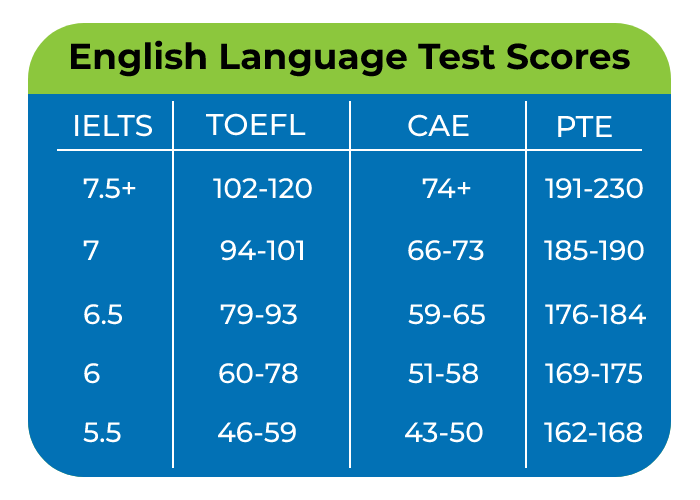
Think of it like learning to surf: you need balance before riding the waves. Common requirements vary—some programs might ask for a minimum IELTS band of 6.5, while others push for TOEFL scores around 80-100. It's all about matching the institution's standards, which you can find on their websites. And here's a fun twist: in the age of viral TikTok study tips, more students are turning language prep into a community event, sharing hacks and motivational memes to keep the process from feeling isolating.
Extracurricular boosts for master's profilesBreaking Down Popular Language Tests
So, which test should you pick? It's like choosing between Netflix and Hulu—both stream great content, but one might fit your vibe better. TOEFL (Test of English as a Foreign Language) is popular for its academic focus, mimicking real university scenarios with lectures and essays. On the flip side, IELTS (International English Language Testing System) offers a more conversational approach, with speaking sections that feel like a chat with a friend.
To help you decide, here's a quick comparison table of these giants, because visuals make everything clearer:
| Test | Format | Best For | Score Range |
|---|---|---|---|
| TOEFL | Internet-based; includes reading, listening, speaking, writing | Students aiming for US or Canadian universities | 0-120 |
| IELTS | Paper or computer-based; emphasizes real-life language use | Those applying to UK, Australia, or global programs | 0-9 bands |
| C1 Advanced (CAE) | Exam-based; focuses on advanced proficiency | European or business-oriented master's | A1-C2 levels |
This isn't exhaustive—tests like PTE or Duolingo English Test are gaining traction for their flexibility, especially if you're juggling a full-time job. The key? Align it with your target schools' requirements to avoid any surprises.
Alright, let's roll up our sleeves and tackle the how-to. Applying to a master's with language tests involved doesn't have to be a maze. Start by 1researching programs that excite you, checking their official sites for exact language criteria. Next, 2register for your chosen test well in advance—aim for at least 2-3 months of prep to build confidence without burning out.
Financial planning for master's pursuitsThen, 3dive into study resources, from free apps like Khan Academy to paid courses that simulate the real deal. Don't forget to 4submit your scores directly to universities via the test providers' portals, as part of your overall application packet. Finally, 5proofread everything—your personal statement should weave in how your language skills will fuel your success, making your application pop.
Tips for Acing It All with Ease
Here's where we get a bit cheeky: treat language tests like a playlist for your favorite road trip tunes—mix in practice sessions that keep you engaged. Overcoming common pitfalls, like test anxiety, can be as simple as visualizing success or joining online forums where folks share their wins, from acing speaking sections to nailing essays. Remember, it's not just about the score; it's about growing personally, like that time I turned study breaks into cultural dives, watching British comedies to sharpen my ear for accents.
And if you're feeling overwhelmed, take a breath—many programs offer waivers if you're from an English-speaking country or have prior degrees in English. Keep pushing forward; it's all part of the adventure that leads to that master's hood and the career doors it unlocks.
FAQs on Mastering the Master's Application
Q: How long are language test scores valid? Most scores, like TOEFL or IELTS, last for two years, giving you plenty of time to apply without rushing. Always double-check with the test provider for updates.
Mental health aid for graduate studentsQ: Can I retake the test if I don't meet the requirements? Absolutely! Many students do it to improve their scores, but space out attempts to learn from mistakes and avoid burnout—think of it as leveling up in a video game.
Q: Are there scholarships for language prep? Yep, some universities and organizations offer aid for test fees, especially if you're from underrepresented backgrounds. Hunt for them on scholarship databases to ease the financial load.
As we wrap this up, imagine standing at the start of your master's path, language tests conquered and confidence soaring—what's the next chapter you'll write? Whether it's networking at alumni events or diving into research, you've got this; go turn that application into your gateway adventure.
Collaborative projects in online master'sSi quieres conocer otros artículos parecidos a Language tests for master's eligibility puedes visitar la categoría How to apply.
Entradas Relacionadas