
Letter of recommendation insights for applicants
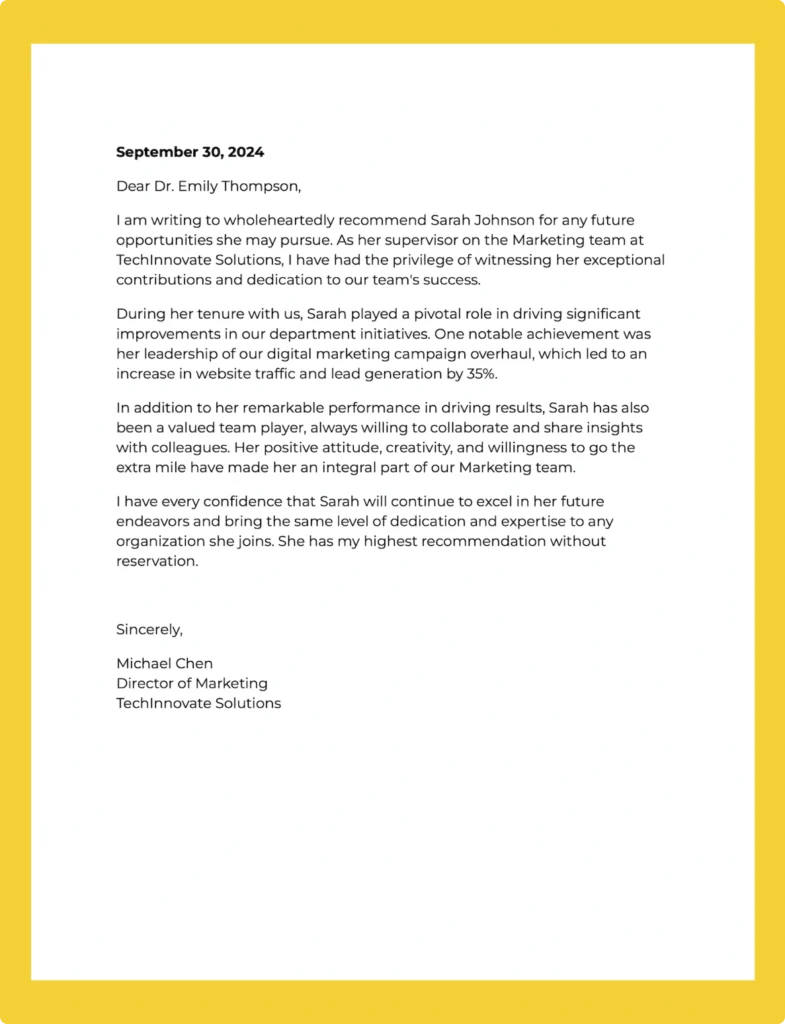
Ever stared at a master's application form and felt that knot in your stomach when you hit the "letters of recommendation" section? I remember it vividly—back when I was piecing together my own grad school puzzle, that part felt like asking for a favor from your favorite professor without sounding desperate. It's not just another document; it's your cheerleader in written form, vouching for you in ways your transcript can't. Today, let's unpack the ins and outs of nailing those letters, keeping things light and straightforward, because applying to university master's programs doesn't have to be a total headache.
Why a letter of recommendation can be your secret weapon in master's applications. Think of it as the story behind the stats—your GPA and test scores show what you've achieved, but a good letter paints the picture of who you are. From my chats with admissions folks, they've told me time and again that these letters help them see the real you. If you're aiming for programs in business, engineering, or the arts, a solid endorsement can tip the scales. **For applicants seeking master's programs**, it's all about building that personal narrative that makes you stand out in a sea of qualified candidates. And here's a quick truth: a well-crafted letter might just be the nudge that gets you that interview spot.
Diving deeper, let's talk about
Choosing the Perfect Recommender for Your Master's Journey
. You wouldn't ask just anyone to write your biography, right? Same goes here. Go for someone who knows you beyond the classroom or office—maybe that professor who saw you lead a project, or a supervisor who watched you tackle real-world challenges. I once had a friend who picked her old internship boss, and it paid off big time because he highlighted her problem-solving skills in a way that aligned perfectly with her MBA goals. Avoid the temptation to pick the most famous name; authenticity matters more. Ask yourself: Has this person witnessed your growth and can speak to your potential in a master's context? If yes, you're on the right track.
Evaluating master's curricula by universityNow,
Crafting the Request: How to Ask Without Awkwardness
. Picture this casual coffee chat turned strategic move. Start by sharing why you're applying—your passions, your dreams—and provide them with the specifics they'll need, like deadlines and program details. I made the mistake once of just emailing a vague request, and it came back half-baked. Instead, prepare a little packet: your resume, a list of your achievements, and even a prompt on what you'd like them to cover. It's like giving them a map so they don't get lost. Keep it relaxed; say something like, "I'd be thrilled if you could share your thoughts on my research skills." This way, you're guiding them without micromanaging, making the process smoother for everyone involved in university master's applications.
Key elements for a standout letter include specific examples, not just generic praise. Admissions committees crave details—like how you turned a group project around or innovated in your role. To ensure this, have an open convo with your recommender about what makes you tick. From what I've gathered from various forums and alumni stories, letters that weave in anecdotes from your time together really resonate. For instance, if you're applying to a tech master's, emphasize your coding prowess through real instances. This isn't just filler; it's the heart of why you're a fit.
When it comes to avoiding missteps,
Career perks from an English master's qualificationSteer Clear of Common Pitfalls in Recommendation Letters
. One big no-no is waiting until the last minute—trust me, your recommender's glowing endorsement won't shine if it's rushed. Another? Not following up; a gentle reminder can make all the difference without being pushy. I recall reading about an applicant who submitted a letter that was too vague, and it diluted their application. Compare that to one where the letter highlighted transferable skills for a master's in environmental science—night and day. Here's a quick table to visualize good vs. bad approaches:
| Aspect | Good Approach | Bad Approach |
|---|---|---|
| Specificity | Detailed examples of your contributions | Generic statements like "great student" |
| Relevance | Tied to the master's program themes | Irrelevant personal traits |
| Tone | Enthusiastic and balanced | Overly effusive or lukewarm |
If your application involves steps, like preparing documents, here's how to handle it:
1Start by listing out all required materials for your recommenders.
2Follow up politely a week before the deadline to ensure everything's on track.
Alternative routes to master's education3Review the letter if possible, or thank them profusely once it's done—these folks are doing you a solid.
In a world buzzing with online applications,
Adapting to Digital Norms for Master's Apps
. With platforms like university portals making everything clickable, ensure your recommenders know how to upload directly. It's like sharing a meme—quick and seamless. I've seen folks reference viral TikToks about grad school woes, and it reminds me that even in this formal process, a bit of modern flair helps. Use tools like Google Docs for sharing info, but keep it professional to maintain that edge in competitive master's fields.
When applying to master's programs, a strong letter of recommendation can make all the difference—it's about 45 seconds of reading that convinces them you're not just another applicant, but someone with real potential and drive. Focus on building genuine relationships early, as this endorsement often highlights your soft skills and academic prowess in a narrative that admissions love. (Around 50 words, straight to the point.)
Online tools for master's application supportFor a fresh spin,
Wrapping Up with Your Personal Edge
. Think about how these letters fit into your bigger story—maybe they reveal the late-night study sessions that shaped you. As you polish your application, reflect on what makes your path unique. Ever wonder how a single recommendation could open doors you never imagined? That's your cue to act—gather those insights and make your master's dream a reality.
FAQ: Quick Answers on Letters for Master's Applications
How many letters of recommendation do I typically need? Most programs ask for 2-3, but check the specific requirements—aim for quality over quantity to strengthen your university master's application.
Should I waive my right to see the letter? Absolutely, as it often leads to more honest feedback, showing admissions committees that you're confident in the content.
What if I don't have academic recommenders? Professional ones work fine, especially for career-focused master's; just ensure they highlight transferable skills relevant to your field.
Si quieres conocer otros artículos parecidos a Letter of recommendation insights for applicants puedes visitar la categoría How to apply.
Entradas Relacionadas