
Steps for applying to English master's programs abroad
Picture this: I'm sitting in a cozy café in Madrid, sipping on a latte while daydreaming about swapping tapas for fish and chips in London. That's how my own adventure with applying to an English master's program abroad kicked off – a mix of excitement and "wait, how do I even start?" moments. If you're in that same boat, feeling a tad overwhelmed but buzzing with curiosity, you're in the right spot. Today, we're diving into the straightforward steps for tackling applications to English master's programs overseas, making it feel less like a bureaucratic maze and more like planning your next big getaway.
Alright, let's cut to the chase: applying to English master's programs abroad boils down to a series of manageable steps that can open doors to incredible opportunities. In essence, you'll need to research, prepare, and submit with confidence. This process isn't just about paperwork; it's about chasing your passions in a new cultural playground. For instance, think about how studying in places like the UK or Australia could blend your academic goals with experiences like exploring historic campuses or vibrant city life. To make it simple, here's a direct breakdown: start by identifying programs that match your interests, gather your academic credentials, ace any required tests, craft standout essays, secure recommendations, and finally, hit submit while keeping tabs on deadlines. That's the core, wrapped up in about 50 words, so you can jump right in without the fluff.
But before we get into the nitty-gritty, let's sprinkle in a bit of real talk. I remember scrolling through university websites late at night, feeling like I was decoding an alien language with all the jargon about transcripts and visas. It's normal to feel that way – it's a big step! To keep things light, imagine your application as crafting a personal mixtape: each element is a track that tells your story, from your undergrad hits to the fresh beats of your future ambitions. Now, let's break it down with some easygoing sections to guide you through.
Getting Your Bearings: Research Like a Pro
Okay, first things first, you can't just wing it – researching programs is like picking the perfect travel destination. Start by asking yourself what you really want: a program in business, tech, or arts? Use tools like QS World University Rankings or Times Higher Education to scout top spots for English-taught master's. For example, the UK is a hotspot with universities like Oxford or UCL, where courses are fully in English and often shorter than back home, wrapping up in just one year. Don't forget to check for scholarships; they're like finding hidden gems that can ease the financial load.
Essential tips for master's applications in the UKThis stage is all about variety – mix online forums like Reddit's r/StudyAbroad with virtual open days to get the lowdown from current students. A fun tip: I once joined a webinar that felt like a casual chat, and it totally demystified the process. Aim for programs that align with your career goals, and always verify language requirements since, even if it's English-taught, some might need proof like IELTS scores. By the end of this step, you'll have a shortlist that excites you, not stresses you out.
Gearing Up: What You Need in Your Application Arsenal
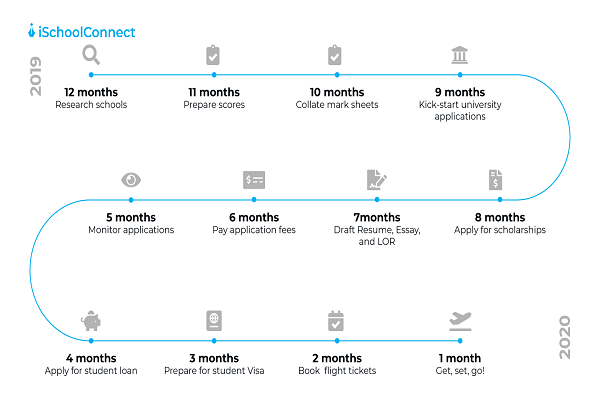
Now that you've got your targets, it's time to build your application kit. Think of it as packing for a trip: you wouldn't forget your passport, right? Most English master's programs abroad will ask for transcripts, a CV, and sometimes a motivation letter. Start early – like, months ahead – to translate documents if needed and ensure they're up to snuff. For instance, in the US, you might deal with the Common App for some schools, while in Europe, it's often university-specific portals.
Here's where it gets hands-on. Let's walk through the key components with a relaxed step-by-step:
1Double-check your academic records: Gather official transcripts and degrees, getting them translated and apostilled if required. It's like verifying your ID before a flight – essential and straightforward.
Strategies to strengthen your graduate school application2Craft a killer CV: Highlight your experiences with a touch of personality, focusing on relevancy to your field. Use action verbs and keep it concise, almost like scripting your own highlight reel.
3Line up letters of recommendation: Approach professors or bosses who know your work well, giving them plenty of time to write glowing endorsements. It's akin to getting a vouch from a trusted friend for a job.
Tackling the Tests: Proving Your English Chops
No getting around it – standardized tests are often part of the deal for international master's applications. For English programs, you'll likely need TOEFL or IELTS to show your language skills aren't just okay, but solid. I recall prepping for IELTS felt like training for a fun quiz show; apps and practice tests made it engaging rather than dreadful. Some programs might waive this if you've studied in English before, so always check.
Beyond language, certain fields demand GRE or GMAT scores. If you're aiming for a business master's in the US, the GMAT could be your ticket. Pro tip: Schedule tests early to avoid rush-hour stress, and use resources like Khan Academy for free prep. It's not about perfection; it's about showing you're ready for the academic ride ahead.
Common errors in international master's submissionsThe Creative Bit: Essays and Personal Statements
Ah, essays – the part where you get to shine and tell your story. For many English master's programs, this is your chance to explain why you're ditching the familiar for abroad. Write like you're chatting with a mentor: be honest, passionate, and reflective. Maybe weave in a cultural reference, like how a K-drama inspired your interest in global media studies.
To keep it varied, compare this to journaling: start with a hook, build with examples from your life, and end with your vision. Most programs limit word counts, so edit ruthlessly. And for a quick table to visualize essay tips versus common pitfalls:
| Element | Do This | Avoid This |
|---|---|---|
| Opening | Start with a personal anecdote | Generic statements like "I've always loved learning" |
| Body | Link experiences to program goals | Overloading with jargon |
| Closing | End with future aspirations | Repeating the introduction verbatim |
Crossing the Finish Line: Submitting and What Comes Next
Finally, it's submission time – that exhilarating moment when you click send and imagine yourself wandering through a new city. Double-check deadlines, fees, and portals to avoid any last-minute hiccups. After that, play the waiting game: follow up via email if needed, and prepare for potential interviews, which might be virtual and feel like a friendly chat.
Once accepted, visa applications and funding become your next adventure, but that's for another day. Remember, this journey is as much about growth as it is about education – it's like leveling up in a video game, one step at a time.
Comparing US and European master's programsQuick FAQ for the Curious
Q: How long does the application process typically take? It varies, but plan for 6-12 months to research, prepare, and apply without rushing – gives you time to refine everything.
Q: Are scholarships common for international students? Absolutely, many universities offer them based on merit or need; sites like ScholarshipPortal can help you hunt them down early.
Q: What if my English isn't perfect yet? Most programs accept improvement; use it as motivation to practice, and remember, it's about communication, not flawlessness.
And as you wrap your head around all this, picture yourself toasting to new beginnings with a pint in a pub somewhere abroad – pretty cool, right? What's your next move going to be?
Si quieres conocer otros artículos parecidos a Steps for applying to English master's programs abroad puedes visitar la categoría How to apply.
Entradas Relacionadas