
Comparing US and European master's programs
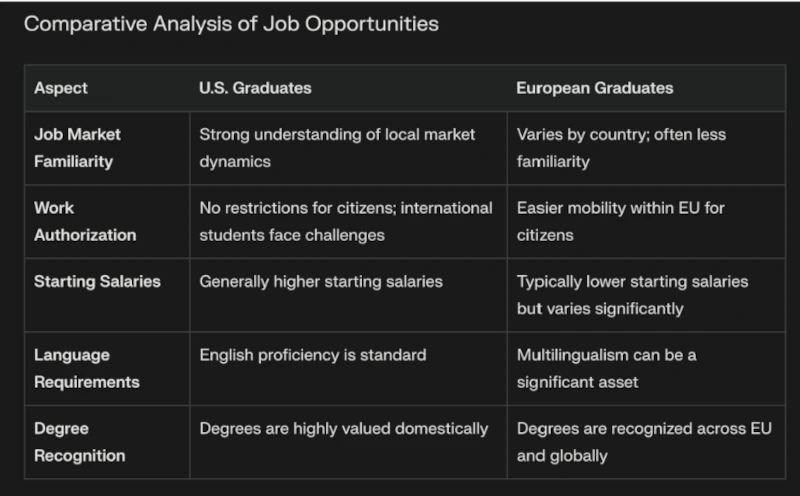
Ever thought about chasing that master's degree but got tangled in the web of international applications? Picture this: I remember chatting with my buddy Alex last year, who was torn between a tech program in Boston and one in Berlin. He kept asking, "What's the real deal with applying to these places?" It's a common puzzle, right? Today, we're diving into comparing how to apply to US and European master's programs, keeping it light and straightforward, like grabbing coffee with a knowledgeable friend.
So, if you're pondering how to navigate the application maze for university master's programs, especially between the US and Europe, here's the lowdown: In the US, you'll often juggle standardized tests, essays, and letters of recommendation, while Europe might lean more on your undergrad grades and a motivation letter. The key is tailoring your approach to each region's quirks for a smoother ride. This comparison will arm you with practical steps to boost your chances—think of it as your personal roadmap to that dream degree.
The Big Picture: Why US and European Master's Apps Differ
Applications aren't one-size-fits-all; it's like comparing a fast-paced American road trip to a leisurely European train journey. In the US, the process feels more holistic, emphasizing personal stories and extracurriculars, whereas European programs often prioritize academic prowess and research fit. From my observations, US applications can be more exhaustive, involving multiple essays that let you showcase your personality, while Europe might require a concise statement of purpose. This difference stems from cultural vibes—US education often markets itself as transformative, pushing for well-rounded candidates, versus Europe's focus on specialized expertise.
Diving deeper, cost and accessibility play huge roles. US programs might demand hefty application fees and test scores like the GRE, adding a layer of prep that feels overwhelming. On the flip side, many European unis keep things budget-friendly, with no application fees and language tests that vary by country. Applying to US master's programs often means early birds get the worm with rolling admissions, but European deadlines are typically strict, like hitting a festival date. It's all about syncing with these rhythms to avoid last-minute scrambles.
Benefits of English-taught master's degreesStep-by-Step: Tackling US Master's Applications
If you're eyeing the US, start by researching programs that align with your goals—it's like picking the perfect playlist for a drive. Here's a relaxed breakdown to guide you:
1Gather your basics: Check university websites for requirements, which usually include transcripts, a resume, and test scores. Pro tip: If you're from abroad, factor in visa needs early—it's that extra pit stop you don't want to miss.
2Craft your narrative: Personal statements and essays are your spotlight—make them authentic, like sharing a coffee chat story. Admissions folks want to see your passion, so weave in real experiences without overdoing it.
3Line up recommendations: Reach out to professors or bosses months ahead; it's like reserving a table at a popular spot. Ensure they highlight your strengths in a way that fits the program's vibe.
Debunking myths about master's applications overseas4Submit and follow up: Double-check deadlines and use tools like Common App for multiple schools. After hitting send, keep an eye on your email for updates—it's the courteous follow-through that counts.
Switching gears to Europe, it's often more straightforward, almost like strolling through a charming market rather than racing a marathon. Countries like the UK, Germany, or the Netherlands have their nuances, but generally, the focus is on your academic background and a clear motivation letter. I once helped a friend apply to a Dutch program, and we marveled at how less paperwork-intensive it was compared to US options.
For instance, many European applications don't require SATs or GREs, relying instead on your bachelor's GPA and perhaps a language proficiency test like IELTS. European master's programs application processes vary by nation—think of it as a patchwork quilt. In the UK, you might need UCAS, while Germany often involves uni-specific portals and might require proof of finances for visas.
Quick Comparison Table for Clarity
| Aspect | US Programs | European Programs |
|---|---|---|
| Key Requirements | Essays, recommendations, standardized tests | Motivation letter, transcripts, language tests |
| Application Fees | Often $50-$100 per school | Usually free or low-cost |
| Deadlines | Rolling or fall/winter | Mostly spring for fall start |
| Visa Considerations | F-1 visa with financial proof | Schengen or country-specific, often easier for EU |
Tips to Shine in Both Worlds
To wrap up the comparison, blend the best of both by starting early and staying organized—it's like packing for a trip where you might need both a backpack and a suitcase. Tailor your application to highlight what each region values: creativity for the US, and academic depth for Europe. And hey, don't forget cultural nods; referencing a popular EU exchange program or a US innovation hub can add that personal touch, making your application memorable amid the crowd.
Solutions for language challenges in master's enrollmentAs we ease out of this chat, imagine standing at a crossroads with your master's dreams in sight—what path will you choose, and how will you make it yours? Whether it's the vibrant US scene or the rich European tapestry, your next step could lead to incredible growth. Dive in, explore, and let's hear your story once you're on that journey.
FAQ: Quick Answers to Common Questions
Q1: How long does the application process take for US vs. European programs? For US applications, expect 3-6 months including tests and essays, while European ones might wrap up in 1-3 months since they're often simpler and test-free.
Q2: Do I need to learn a new language for European applications? Not always—many programs are in English, but for countries like France or Spain, proving proficiency can give you an edge, especially if the course is bilingual.
Q3: What's the biggest mistake to avoid? Overlooking deadlines or not customizing your application; treat each one like a unique conversation, not a copy-paste job, to stand out.
Ideas for selecting top master's programs onlineSi quieres conocer otros artículos parecidos a Comparing US and European master's programs puedes visitar la categoría How to apply.
Entradas Relacionadas