
Common errors in international master's submissions
Ever found yourself knee-deep in paperwork for that dream master's program abroad, only to hit a snag that leaves you second-guessing everything? Yeah, me too. A couple of years back, when I was piecing together my own application for a program in Europe, I nearly tanked the whole thing by overlooking a simple deadline extension email. It's those little slip-ups that can turn an otherwise stellar submission into a regretful "what if." But hey, we're all human, and navigating international master's applications doesn't have to feel like defusing a bomb. Let's chat about the common errors folks make and how to sidestep them with a relaxed vibe, keeping things real and straightforward.
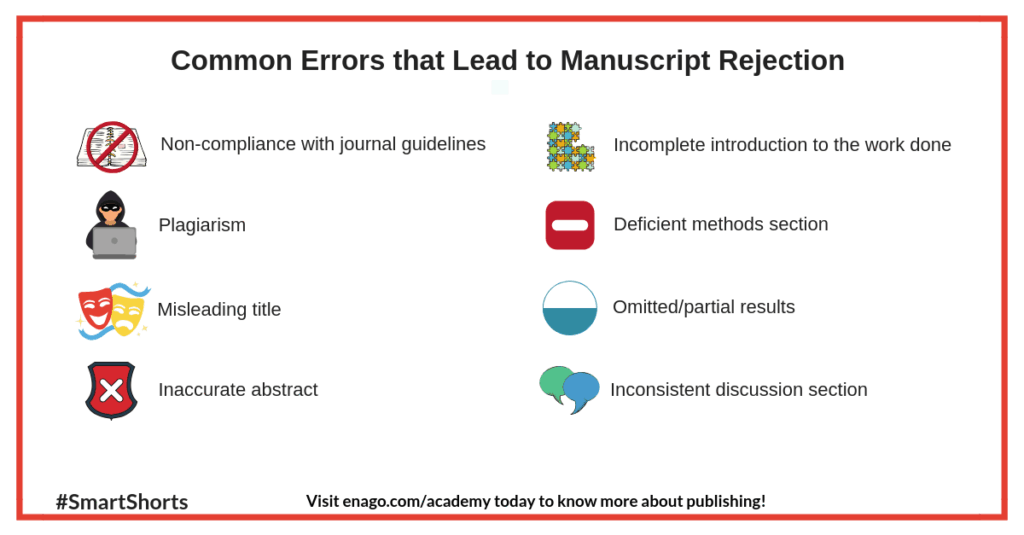
Common errors in international master's submissions often stem from overlooking the finer details, like not adapting your personal statement to the specific university's ethos. In a nutshell, many applicants treat their essays as one-size-fits-all templates, missing the chance to show genuine passion for the program. This mistake can make your application blend into the crowd, rather than standing out as a thoughtful, tailored pitch. Think of it like ordering the same coffee everywhere—sure, it's drinkable, but it won't wow anyone.
Why the Application Process Feels Like a Maze
First off, applying to university master's programs internationally is like planning a surprise party: exciting, but full of potential pitfalls if you don't pay attention. From my own experience, the process kicks off with researching programs that align with your goals, but that's where errors creep in. People often rush through gathering requirements, assuming a standard set of documents will do. Not true—each university has its quirks, like requiring translated transcripts or specific recommendation formats. Skip that, and you're left scrambling, which adds unnecessary stress. To keep it light, imagine your application as a backpack for a trip; pack wrong, and you'll regret it midway.
Another layer is the cultural twist. If you're applying from outside the country, cultural references in your essay might not land. I remember reading about a student who referenced a local meme in their statement, thinking it showed creativity, but it confused the admissions team unfamiliar with it. The key? Blend in universal stories with a touch of your background, making it relatable without alienating readers. This approach not only humanizes your submission but also dodges the error of seeming out of touch.
Comparing US and European master's programsSpotting the Usual Suspects: Top Mistakes
Let's dive deeper into those common errors in international master's submissions that can derail your efforts. One biggie is procrastinating on letters of recommendation. You might think, "Oh, my professor knows me well enough," but without timely reminders or clear guidelines, they could submit something generic or miss the deadline entirely. I've heard stories of applicants losing out because a recommender forgot to address the program's specific strengths. To avoid this, treat it like scheduling a casual coffee catch-up—do it early and make it easy for them.
Then there's the translation trap. For non-native English speakers, submitting documents in your original language without proper certification is a frequent faux pas. Admissions offices need everything in English, and shoddy translations can raise red flags about your attention to detail. Picture it as trying to read a menu in a foreign country without help—it just doesn't work. Always double-check with professional services to ensure accuracy, turning potential errors into polished assets.
Oh, and don't overlook financial proofs. Many forget to include bank statements or scholarship letters, assuming the application fee is the end of it. But universities want to see you can fund your stay, especially for visas. This oversight can lead to rejections that feel preventable. In a more relaxed take, think of it as packing your wallet for a road trip—you wouldn't leave without cash, right?
A Quick Guide to Dodging These Blunders
If you're wondering how to steer clear of these issues, here's a straightforward breakdown. Start by creating a checklist tailored to your chosen programs—nothing fancy, just a simple list on your phone. For instance:
Benefits of English-taught master's degrees1Research and note each program's unique requirements, like essay prompts or portfolio needs.
2Customize your personal statement for every application, weaving in why that specific master's program excites you.
3Gather and verify all documents early, including certified translations and up-to-date recommendation letters.
This isn't about perfection; it's about being prepared without the panic. To add a bit of fun, compare it to baking a cake—miss an ingredient, and the whole thing falls flat, but get it right, and you're golden.
Debunking myths about master's applications overseasComparing Errors: What Works vs. What Doesn't
Sometimes, seeing things side by side helps. Here's a quick table to illustrate common pitfalls in master's applications and how to flip them:
| Common Error | How It Hurts | Smart Fix |
|---|---|---|
| Generic personal statements | Makes your application forgettable | Tailor it with specific program details and personal anecdotes |
| Ignoring deadlines | Automatic rejection | Set calendar reminders and build in buffer time |
| Poor document organization | Confuses admissions reviewers | Use folders and label everything clearly |
This visual nudge can make the process feel less overwhelming, turning potential stumbles into confident strides.
FAQ: Quick Answers to Burning Questions
What documents are essential for international master's applications? Typically, you'll need transcripts, a CV, letters of recommendation, a personal statement, and proof of English proficiency like TOEFL scores. Always check the specific program's website for extras.
How can I make my application stand out? Focus on authenticity—share a real story from your life that ties into the program, and avoid clichés. Also, proofread meticulously to catch any errors that could undermine your effort.
Solutions for language challenges in master's enrollmentIs it okay to apply to multiple programs at once? Absolutely, but treat each one individually to avoid repeating mistakes like using the same essay. This shows dedication and increases your chances.
As we wrap up this laid-back exploration of master's application mistakes, think about that moment when you hit submit and feel that wave of accomplishment. What's stopping you from refining your approach today? Maybe it's time to grab that coffee, revisit your drafts, and turn those potential errors into your secret weapon for success—after all, every great story starts with a few plot twists.
Si quieres conocer otros artículos parecidos a Common errors in international master's submissions puedes visitar la categoría How to apply.
Entradas Relacionadas