
Debunking myths about master's applications overseas
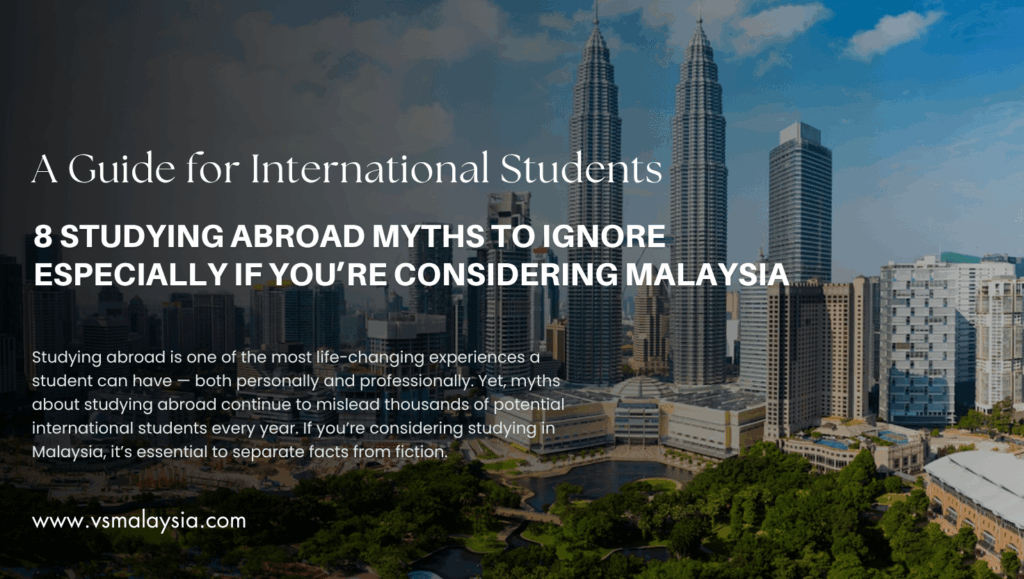
Ever thought about chasing that master's degree abroad, only to get tangled in a web of scary stories from friends or online forums? I remember my buddy Alex, who almost ditched his dream of studying environmental science in Sweden because he heard you needed to be a genius with a trust fund to even apply. Spoiler: It's not quite like that. As someone who's navigated the process myself, I'm here to spill the beans on the real deal—debunking those pesky myths and laying out how to actually apply to university master's programs overseas. Let's keep it chill, okay? We'll chat through this like we're grabbing coffee, no pressure.
One of the biggest myths is that you need a perfect GPA to snag a spot in an international master's program. In reality, while grades matter, admissions committees often weigh your overall story—think work experience, personal essays, and letters of rec more heavily. For instance, many programs in Europe value practical skills over straight A's, making it accessible for folks like you and me who aren't academic superheroes. This shift can open doors if you're passionate about your field, debunking the idea that only top scorers get in.
Alright, let's dive deeper into why these myths persist and how to sidestep them. Picture this: the internet is like that gossipy neighbor who exaggerates everything. From my own experience, I applied to a master's in digital marketing in the UK with a solid but not stellar undergrad record, and guess what? I got accepted. The key was building a compelling application that highlighted my freelance gigs and a side hustle that tied into the program. So, if you're sweating over your transcripts, relax—it's about painting a full picture of who you are.
The Most Common Myths and Why They're Bunk
You might've heard that applying overseas is only for the wealthy elite, what with visas, flights, and tuition fees. But hold up—many countries offer scholarships, grants, and even work-study options that make it feasible. Take Germany, for example; a bunch of public universities have no tuition for international students, and you can cover living costs with part-time jobs. It's not a myth-buster party without mentioning the visa process, either. People freak out thinking it's a bureaucratic nightmare, but with proper prep, it's straightforward. I prepped mine by checking official embassy sites and using apps like iVisa for tips—nothing fancy, just smart planning.
Solutions for language challenges in master's enrollmentAnother tall tale is that you have to be fluent in the local language. Sure, for some programs in non-English speaking countries, but English-taught master's are everywhere now, from the Netherlands to Australia. I chatted with a friend in Canada who applied with just TOEFL scores and zero French skills, and she's thriving. This myth often stems from outdated info, so always double-check program requirements on university websites. By busting these, you're already ahead in the game, making the application process feel less like a mythical quest and more like a doable adventure.
Step-by-Step: How to Actually Apply to a Master's Overseas
Okay, let's get practical. Applying isn't as overwhelming as it seems—think of it as planning a fun trip. First off, research programs that align with your goals. Use sites like QS World University Rankings or Studyportals to filter by subject and location. Once you've narrowed it down, here's a relaxed guide to keep things flowing:
1Start with the basics: Check deadlines and requirements on the university's site. Most apps open 6-12 months in advance, so mark your calendar like you're planning a vacation.
2Gather your docs: Transcripts, CV, essays, and test scores if needed. Pro tip: Tailor your personal statement to show why you're a fit—maybe weave in a story about that time you volunteered abroad, making it personal and real.
Ideas for selecting top master's programs online3Handle the finances: Look into scholarships via databases like ScholarshipPortal or country-specific ones. And don't forget about funding from your home country—it's like finding hidden gems in a thrift shop.
4Submit and wait: Use online portals for applications, and follow up if needed. While you're waiting, brush up on cultural norms—watching a Netflix series from your target country can be a fun way to prepare.
To make this even clearer, here's a quick table comparing application processes in two popular spots:
| Aspect | USA | UK |
|---|---|---|
| Typical Timeline | 9-12 months ahead | 6-9 months ahead |
| Key Tests | GRE often required | Usually just English proficiency |
| Costs | Application fees $50-100 | Application fees £20-50 |
| Scholarships | Merit-based like Fulbright | Chevening for internationals |
Pro Tips for a Smooth Ride
From one applicant to another, here's some insider advice that's like a friendly nudge. Network early—join LinkedIn groups or Reddit threads for master's applicants; it's amazing how sharing stories can ease the anxiety. And remember, that whole "you need elite connections" myth? Nah, just be genuine in your interactions. I once connected with an alum via email, and it led to valuable insights without any fancy schmoozing. Oh, and if you're worried about the emotional rollercoaster, treat it like binge-watching your favorite show: Take breaks, laugh at the absurd parts, and keep moving forward.
Requirements for pursuing a master's in EnglishQuick FAQ for the Curious
Q: Do I really need work experience for a master's application? A: Not always, but it's a plus. Many programs accept fresh grads if your undergrad ties in, though practical experience can make your app stand out in competitive fields.
Q: What if English isn't my first language? A: Most overseas programs require proof like IELTS or TOEFL, but don't stress—prep courses online make it manageable, and it's just one piece of the puzzle.
Q: Is it worth the hassle if I'm on a budget? A: Absolutely, with scholarships and low-cost options in places like Scandinavia. Think of it as an investment in your future, opening doors you didn't know existed.
As we wrap up this chat, imagine standing at the airport, passport in hand, ready for that next chapter. What if you turned those myths into your superpower? Go ahead, tweak that application draft tonight—your future self will thank you with a high-five from abroad.
Visa essentials for English master's candidatesSi quieres conocer otros artículos parecidos a Debunking myths about master's applications overseas puedes visitar la categoría How to apply.
Entradas Relacionadas