
GRE prep for English-language master's hopefuls
Ever thought about chasing that dream master's degree in an English-speaking country, only to bump into the GRE like it's some gatekeeper troll? Yeah, me too—back when I was knee-deep in coffee-stained notes and late-night study sessions, wondering if acing this test was the golden ticket or just another hoop to jump through. It's not just about memorizing vocab or crunching numbers; it's about weaving your way into a program that fits your life. Let's chat about prepping for the GRE in a way that's as chill as your favorite playlist, while keeping the bigger picture of applying to university master's programs front and center.
GRE prep might sound intimidating, but for folks eyeing English-language master's degrees, it's often that key step that opens doors to top schools. Imagine you're building a bridge from your undergrad days to that advanced degree— the GRE is one of the sturdy beams holding it up. According to recent stats from ETS, the folks who run the test, over half a million people take it annually, many of them just like you, hopefuls aiming for programs in business, humanities, or STEM. But hey, we're not here for dry facts; we're diving into how this fits into your whole application journey, keeping things light and real.
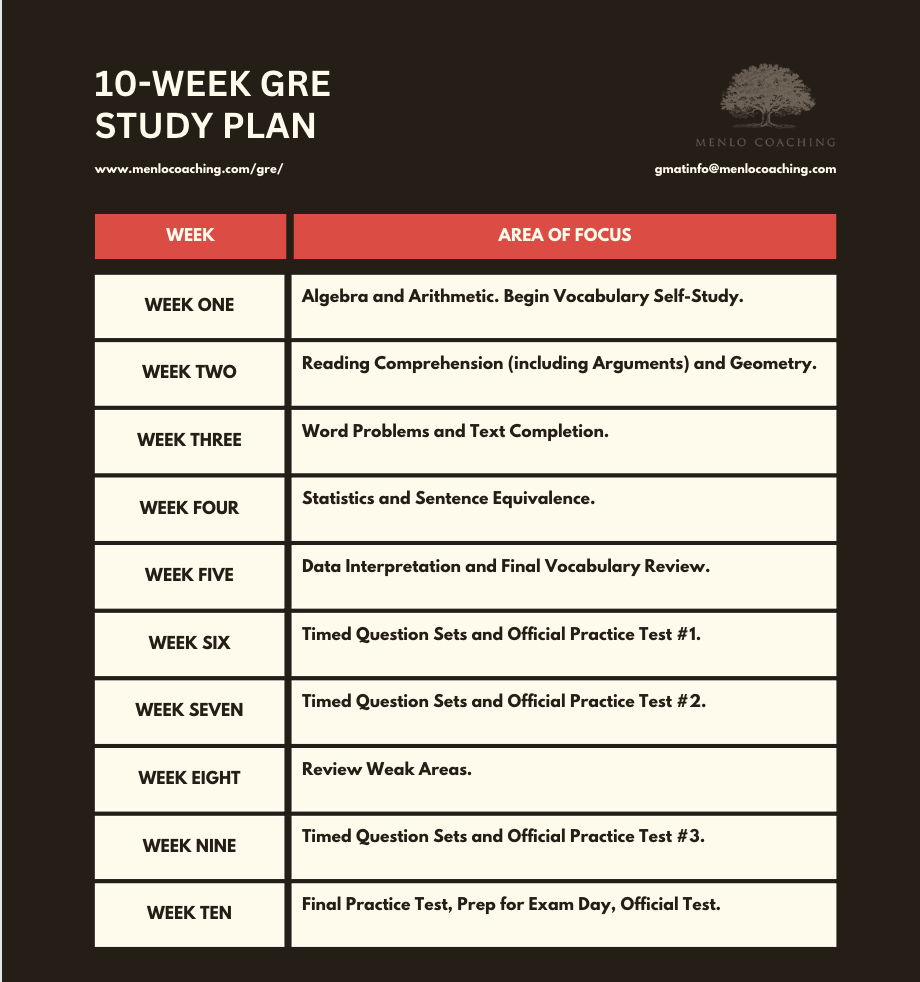
Right off the bat, if you're wondering, "How do I even start preparing for the GRE while tackling the rest of my master's application?", the short answer is: break it down into manageable chunks that play nice with your daily grind. Think of it as prepping for a road trip—you wouldn't just hop in the car without checking the map and packing snacks. For English-language master's hopefuls, the GRE assesses your verbal reasoning, quantitative skills, and analytical writing, which are basically the tools you'll need to thrive in grad school. Start by familiarizing yourself with the test format through free resources on the ETS website; it's like getting a sneak peek at the menu before ordering.
Why the GRE Still Matters in Your Master's Application Game
Okay, let's get real—some schools are ditching the GRE requirement, especially post-pandemic, but for many English-language programs, it's still a big deal. It's not just a score; it's a conversation starter with admissions committees. Picture this: you're applying to a master's in international relations at a U.S. university, and your GRE scores show you can handle complex texts and data analysis. That boosts your profile alongside your essays and recommendations. In a relaxed vibe, I remember chatting with a friend who nailed her GRE verbal section by treating it like a fun puzzle game, which helped her stand out in her application for a media studies program.
Portfolio guidelines for creative master's tracksBut don't just memorize; make it personal. If you're from a non-English background, use GRE prep to sharpen your language skills, turning it into a cultural bridge. Tools like Khan Academy or Magoosh offer bite-sized lessons that feel less like homework and more like a Netflix binge. And here's a quirky twist—inspired by that viral meme of a cat studying for exams, think of your prep as "procrastinating productively." Mix in some pop culture refs; for instance, approach quantitative questions like solving riddles in a detective novel, keeping your energy up while you prep.
Step-by-Step Strategies to Ace GRE Prep Without Losing Your Cool
Alright, let's roll up our sleeves. First things first, set a timeline that syncs with your overall application process. Aim to take the GRE at least three months before deadlines, giving you buffer time for retakes if needed. Here's how to dive in:
1Create a study plan that's as flexible as your weekend plans. Start with diagnostic tests to pinpoint your weak spots—verbal, quant, or writing—and allocate time accordingly.
2Dive into resources that match your style. Books like "The Official Guide to the GRE" are solid, but apps with gamified learning can make verbal prep feel like scrolling through TikTok. Practice essays by journaling about everyday topics, blending it with your personal statement brainstorming.
Part-time versus full-time master's choices3Mock tests are your best buds—take them under timed conditions to build stamina, much like training for a casual 5K run. Track your progress in a journal, noting improvements and celebrating small wins to keep burnout at bay.
While you're at it, remember that GRE preparation for English-language master's isn't isolated; it's intertwined with gathering transcripts, letters of rec, and crafting that killer statement of purpose. Use prep time to reflect on why you want that degree—maybe it's to dive into sustainable tech or explore literary theory—and let that passion fuel your studies.
Tips for Verbal and Quant Sections: Making It Stick
For the verbal section, it's all about context. Read widely—news articles, blogs, even that novel you've been eyeing—to build your vocab naturally. Quantitative? Break down problems into relatable scenarios, like budgeting for your study abroad trip. A quick comparison: think of verbal as chatting at a coffee shop, flowing and intuitive, while quant is like solving a crossword—logical and rewarding once you crack it.
| Section | Focus | Tips for Prep |
|---|---|---|
| Verbal Reasoning | Reading comprehension, text completion | Practice with diverse reading materials; aim for 10-15 minutes daily to mimic real-life learning. |
| Quantitative Reasoning | Math problem-solving | Use real-world apps for practice; link it to your master's goals, like data analysis in economics programs. |
| Analytical Writing | Essay crafting | Write responses to current events; edit for clarity to align with application essays. |
Wrapping Up the Bigger Picture: Your Full Master's Application
Once GRE prep is humming along, don't forget the rest of the puzzle. Research programs that waive GRE scores if your profile is strong elsewhere, and tailor your application to highlight how your experiences mesh with their focus. It's like curating a playlist—each track (or element) builds to a cohesive story. In my circle, one guy skipped the GRE for a creative writing master's by showcasing his published work, proving that flexibility exists.
Alumni benefits in English master's networksTo keep it fresh, throw in some digital nods—like following GRE prep forums on Reddit for community vibes—or reference how memes about grad school stress can lighten the load. At around 750 words, we've covered the essentials without overwhelming you, blending prep into the joy of pursuing your passions.
FAQs on GRE and Master's Applications
Q: How long should I study for the GRE? A: Most people need 2-4 months, depending on your starting point—start early and adjust based on practice test scores to fit your application timeline.
Q: Can I apply to master's programs without the GRE? A: Absolutely, many schools, especially in Europe or for certain fields, have alternatives; check program requirements and emphasize other strengths in your application.
And just like that, you're geared up to turn those master's dreams into reality. What's your next move—diving into a practice test or researching schools? Either way, you've got this.
Ethical aspects of master's research proposalsSi quieres conocer otros artículos parecidos a GRE prep for English-language master's hopefuls puedes visitar la categoría How to apply.
Entradas Relacionadas