
Step-by-step process to select university masters
Ever had that moment where you're staring at a bunch of university brochures, feeling like you're picking out a new pet rather than a master's program? Yeah, me too—it was back when I was fresh out of undergrad, sipping coffee at 2 a.m., wondering if diving into data science was really my jam or just a trend I saw on TikTok. Choosing a university master's isn't about flipping a coin; it's a journey that can shape your career, and trust me, getting it right feels like unlocking a new level in your favorite game. So, let's chill and break this down step by step, keeping it real and straightforward.
Step-by-step process to select university masters starts with tuning into yourself. Picture this: you're the hero of your own story, and this degree is your next quest. First off, grab a notebook or your phone notes app and jot down what excites you. Are you into tech innovations, environmental challenges, or maybe business strategies that could change the world? I once knew a friend who picked a master's in marketing because she loved scrolling through Instagram ads—turned out, it aligned perfectly with her creative side. This self-reflection is key, helping you avoid the regret of a mismatched program.
Now, let's get into the meat of it. A solid process to select university masters involves digging deep into available options. Start by scouring university websites, forums like Reddit's r/GradSchool, or even LinkedIn for alumni stories. It's like online shopping, but for your future. Look for programs that match your interests—think accreditation, faculty expertise, and curriculum details. Here's a quick tip: don't just go for the fancy names; check out emerging universities that might offer fresher perspectives. Oh, and if you're into pop culture nods, remember that scene in "The Social Network" where Mark Zuckerberg skips formal education? Well, most of us aren't billionaires, so a structured master's can be your edge.
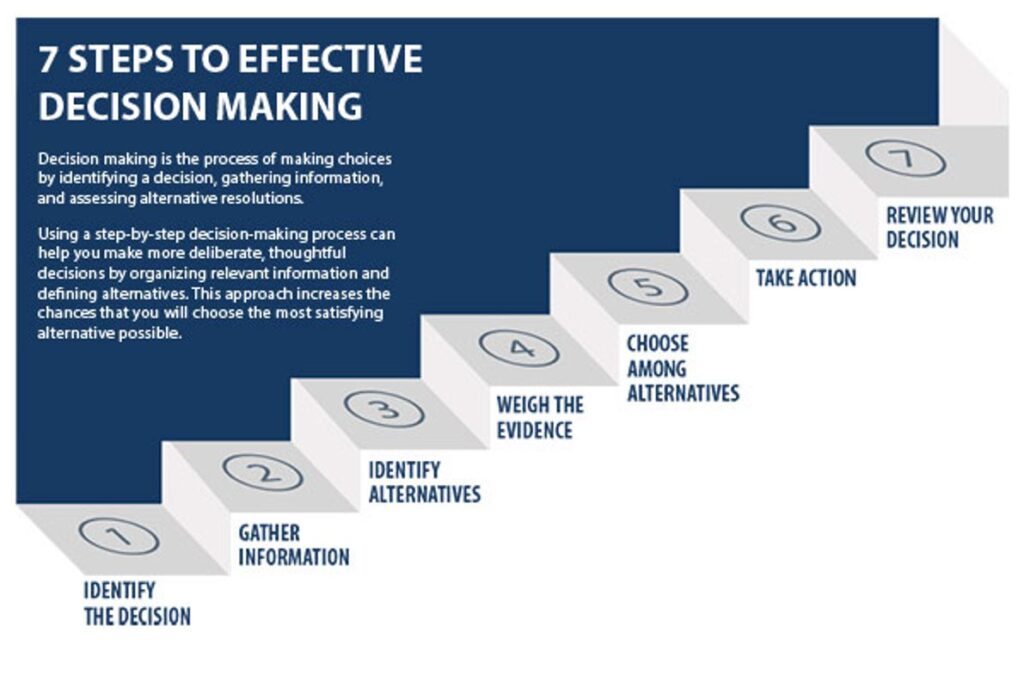
To make this even more practical, let's outline the steps in a relaxed flow. We'll use a simple numbered format to keep things easy:
Top tips for finding the ideal graduate program1 Assess your goals and skills: Take a beat to evaluate what you want from this degree. Are you aiming for a promotion, a career switch, or just personal growth? List your strengths and gaps—maybe you're great at analysis but need better communication skills. This step is like prepping for a road trip; you wouldn't hit the gas without a map.
2 Research programs thoroughly: Dive into databases like QS World University Rankings or U.S. News for top picks, but don't stop there. Read syllabi, check for specializations, and even reach out to current students via email or social media. It's amazing how a quick chat can reveal if a program feels like a vibrant community or a dull lecture hall.
3 Evaluate practical factors: Money, time, and location matter—let's not kid ourselves. Compare tuition fees, scholarship options, and program duration. For instance, an online master's might suit if you're juggling a job, like that meme of someone working from their couch. Create a simple table to weigh pros and cons:
| Factor | On-Campus Masters | Online Masters |
|---|---|---|
| Cost | Higher due to housing and travel | Often lower, but check for hidden fees |
| Flexibility | Fixed schedules, networking opportunities | Self-paced, ideal for busy lives |
| Experience | Immersive labs and events | Virtual interactions, still valuable |
4 Seek advice and visit if possible: Talk to mentors, attend webinars, or tour campuses. That personal touch can make all the difference—it's like test-driving a car before buying. I remember visiting a university and realizing the vibe just clicked, which sealed the deal for me.
Comparing popular master's programs worldwide5 Make the final call: Weigh everything and trust your gut. Apply to a few options to keep doors open, but don't overthink it. Selecting a university master's is personal, like choosing a playlist for a long drive—it should energize you.
Why Personal Fit Matters in Master's Selection
In a world buzzing with options, selecting university masters boils down to how well it fits your life. Think about work-life balance; if you're a parent or have side hustles, a flexible program could be a game-changer. From my own chats with peers, those who aligned their choice with passions ended up thriving, while others who went for prestige alone? Not so much. It's like picking a coffee blend—you want one that wakes you up, not just the most expensive one.
Common Pitfalls to Dodge
Alright, let's keep it real: everyone makes mistakes. One big slip-up is ignoring the job market—check if the master's leads to in-demand roles. Use tools like Glassdoor to see graduate outcomes. And hey, don't let FOMO from social media push you; that influencer with the perfect life might be staging it all. A relaxed approach means pacing yourself, not rushing into decisions that feel off.
Selecting the right university master's program is all about blending self-awareness with smart research—it's a process that empowers you to build a future you're excited about, typically taking a few weeks of thoughtful effort to get right. By starting with your goals and ending with a confident choice, you'll navigate this path smoothly and avoid common regrets.
Avoid common errors in master's selectionWrapping Up with a Thought
So, what's your next move—grabbing that application form or brainstorming your dream career? Either way, you've got this; choosing a master's is just the beginning of something awesome.
FAQ
How do I know if a master's is right for me? Start by asking if it aligns with your long-term goals and passions. Reflect on your daily interests and how the program could enhance them, plus check for transferable skills that boost your resume.
What if I can't decide between two programs? Make a pros-and-cons list, focusing on factors like cost and location, then talk to alumni from each to get unfiltered insights before making your pick.
How long should the selection process take? Aim for 1-3 months; rushing leads to oversights, while dragging it out can cause burnout, so set deadlines to keep momentum.
Innovative ideas for funding your master'sSi quieres conocer otros artículos parecidos a Step-by-step process to select university masters puedes visitar la categoría Masters Choice.
Entradas Relacionadas