
Comparing popular master's programs worldwide
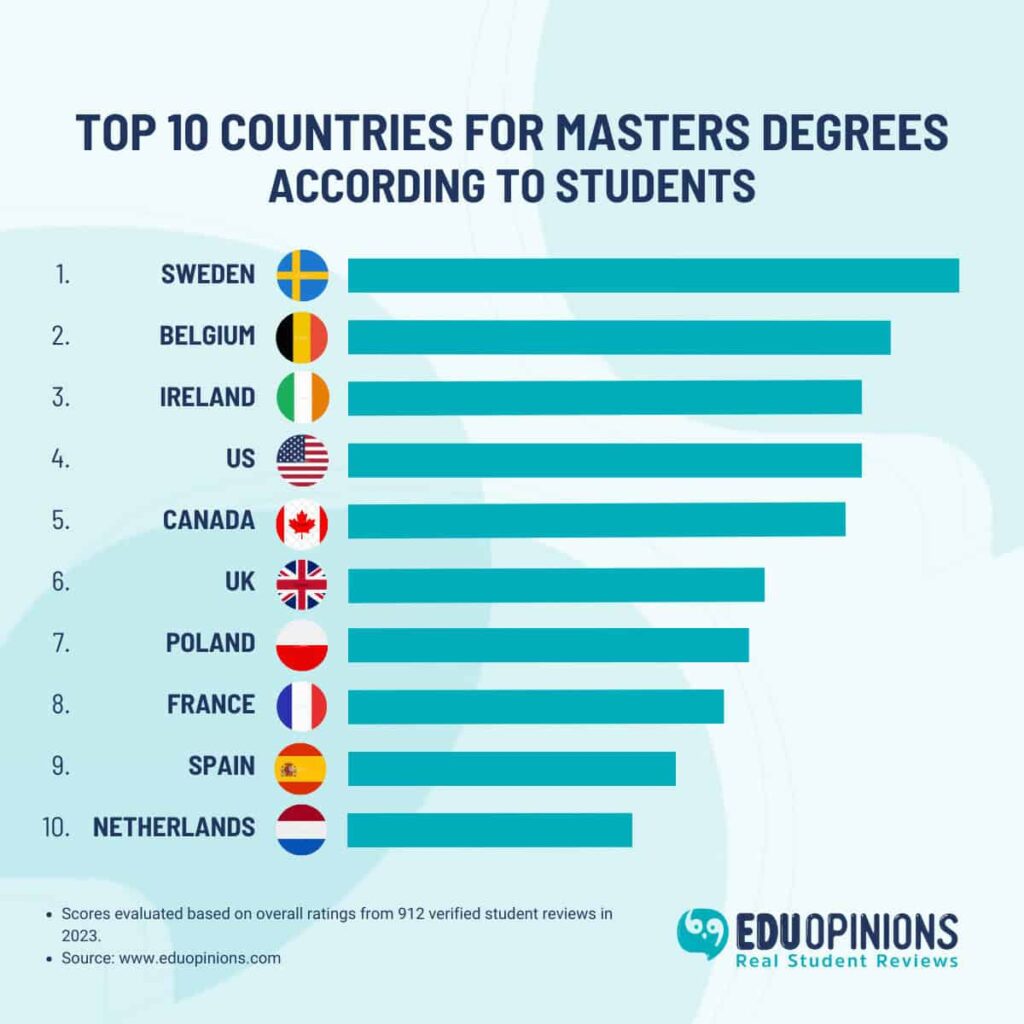
Ah, choosing a master's program—it's like picking the perfect adventure for your brain, isn't it? I remember chatting with a friend over coffee who was totally overwhelmed by the options, staring at her laptop with that classic "what now?" face. She was torn between a tech-heavy program in Silicon Valley and a cultural dive in Europe. It's a big deal, really, because this decision isn't just about classes; it's about shaping your future, meeting new people, and maybe even discovering parts of yourself you didn't know existed. Worldwide, there are so many stellar master's programs out there, each with its own vibe, and comparing them can feel like sifting through a global treasure chest. But hey, let's break it down casually, like we're just two pals talking over that coffee, to help you navigate this exciting maze.
Comparing popular master's programs worldwide boils down to finding the one that aligns with your goals, lifestyle, and dreams. From buzzing cities to serene campuses, top programs offer everything from cutting-edge AI studies to sustainable development tracks. Key is weighing factors like curriculum depth, faculty expertise, and career outcomes to ensure it fits your personal journey in higher education.
Let's dive deeper. When you're eyeing master's degrees globally, it's not just about rankings—though those shiny numbers from QS World University Rankings or Times Higher Education can grab your attention. Think about what really sparks your interest. For instance, if you're into business, an MBA at INSEAD in France might buzz with diversity and real-world projects, while Stanford's in the US could hook you with its startup ecosystem. I've heard stories from folks who jumped into these programs and came out transformed, like one alum who turned a London School of Economics master's into a global consulting gig. It's all about that personal fit, you know?
Why Location and Culture Matter in Your Choice
Picture this: you're not just picking a program; you're choosing a whole new world. A master's in environmental science at the University of Melbourne in Australia might immerse you in cutting-edge research on climate change, complete with field trips to the Great Barrier Reef, whereas a similar program at ETH Zurich in Switzerland could emphasize engineering innovations amid the Alps. The cultural backdrop plays a huge role—Europe often offers a mix of history and innovation, making it ideal for those craving a balanced life, while Asia's programs, like those at the National University of Singapore, might accelerate your tech career with its fast-paced vibe. From my chats with international students, adapting to these environments can be a game-changer, teaching resilience and global awareness that textbooks alone can't.
Avoid common errors in master's selectionDon't overlook the everyday perks, either. In places like Canada, universities such as the University of Toronto provide affordable options with strong support for international students, including visa help and community events. It's those little things that make the difference, turning a stressful move into an epic chapter. And hey, if you're into memes, think of it like that viral one about "adulting"—navigating master's choices is adulting on steroids, but with the right comparison, it gets way less intimidating.
Top Factors to Weigh When Comparing Programs
Alright, let's get practical without losing that chill. When comparing popular master's programs worldwide, start with the curriculum—does it have electives that excite you, or is it rigid? For example, Harvard's master's in public policy is renowned for its policy labs and guest speakers from DC, perfect if you're policy-minded, but it might demand more intensity than a program at the London School of Economics, which blends theory with European case studies. Cost is another biggie; US programs can be pricey but often come with scholarships, while Scandinavian options like those in Sweden are tuition-free for EU students, adding a layer of accessibility.
Career prospects? Oh, they're massive. A tech master's at MIT versus one at Tsinghua University in China: both lead to innovation hubs, but MIT might open Silicon Valley doors faster, while Tsinghua connects you to Asia's booming market. I once read about a graduate who compared these and chose Tsinghua for its cultural edge, landing a role at a multinational firm. Use tools like LinkedIn or university alumni networks to see real outcomes. And for a fun twist, imagine your master's as a choose-your-own-adventure book—each factor is a path that leads to different endings.
| Program Type | Top Location | Key Strengths | Average Cost (USD) |
|---|---|---|---|
| Business (MBA) | INSEAD, France | Diverse network, global focus | ~80,000 |
| Engineering | ETH Zurich, Switzerland | Innovation labs, research opportunities | ~2,000 (for non-EU) |
| Environmental Science | University of Melbourne, Australia | Fieldwork and sustainability emphasis | ~30,000 |
Sometimes, the best choices aren't the obvious ones. Take emerging programs in places like Brazil's University of São Paulo, offering master's in social sciences with a fresh Latin American perspective that could enrich your worldview. Or, if you're drawn to creativity, a digital media master's at NYU in New York might blend art and tech in ways that feel straight out of a Netflix series. From personal anecdotes, like a cousin who picked a program based on its coffee shop scene (hey, small joys count!), it's clear that intuition plays a part. These hidden gems often foster tighter communities, making your university master's choice feel less like a transaction and more like finding your tribe.
Innovative ideas for funding your master'sWrapping Up Your Global Quest
As we ease out of this chat, think about how your master's pick could be the start of something wildly unexpected—like that time a friend stumbled into a research project that changed her career path entirely. So, what's calling to you right now? Maybe it's the buzz of a metropolitan program or the tranquility of a coastal one. Dive in, explore, and let your curiosity lead—your ideal master's adventure is out there, waiting to unfold.
FAQ
What should I prioritize when comparing master's programs abroad? Focus on alignment with your career goals, cost-effectiveness, and cultural fit. Research visa requirements and alumni success stories to ensure it matches your long-term vision.
Is it worth pursuing a master's in a different country? Absolutely, if you're up for the challenge—it can boost your global network and perspectives, though weigh the cultural adjustment and potential language barriers.
How do I start the application process? Begin by identifying programs via official rankings, then gather transcripts and recommendations early, while seeking scholarships to ease the financial load.
Key benefits of STEM master's degreesSi quieres conocer otros artículos parecidos a Comparing popular master's programs worldwide puedes visitar la categoría Masters Choice.
Entradas Relacionadas