
Selecting masters based on industry needs
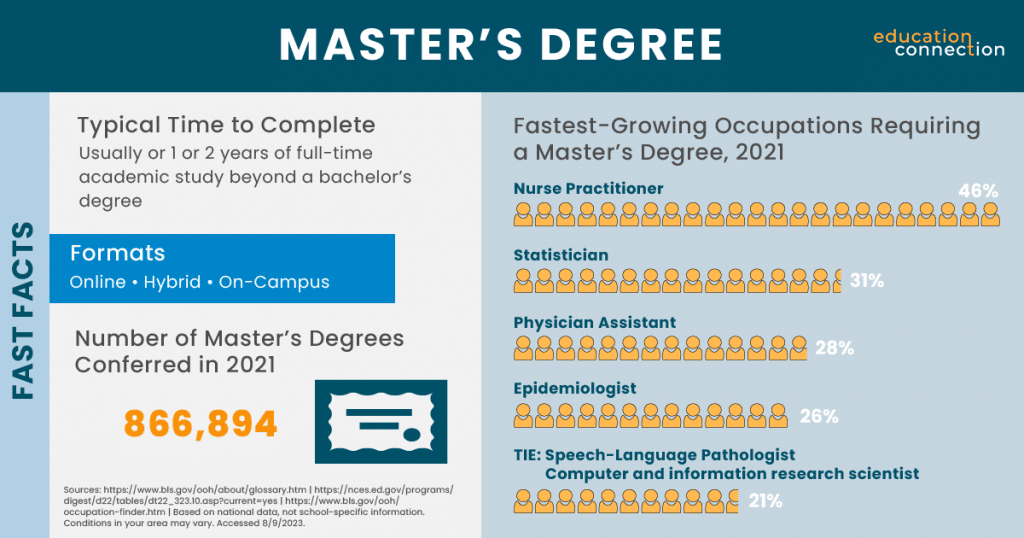
Ever think about how picking the right master's program feels like choosing the perfect coffee blend for your morning routine? One might perk you up and launch your career, while another leaves you flat and underwhelmed. I'm talking from experience—back when I was fresh out of undergrad, I jumped into a master's in something trendy without checking if it aligned with the job market. Spoiler: it didn't, and I ended up pivoting hard. But hey, that's life, and it's why we're chatting about selecting masters based on industry needs today. Let's keep it chill, like we're grabbing a coffee ourselves, and dive into making smarter choices for your future.
So, if you're wondering how to select masters programs that actually match what industries are craving, start by mapping out the skills and qualifications employers are shouting about. It's about blending your passions with real-world demands—think data analysis for tech or sustainability expertise for green sectors. In just a few steps, you can zero in on programs that boost your employability without the guesswork.
Alright, let's get into the meat of it. First off, industries aren't static; they're evolving faster than viral TikTok trends. To select masters based on industry needs, you've got to play detective and uncover what's hot. For instance, healthcare is screaming for specialists in telemedicine post-pandemic, while fintech is all about blockchain whizzes. I remember reading about a friend who snagged a plum job because her master's in AI ethics aligned perfectly with Silicon Valley's growing concerns over data privacy—talk about timing it right.
Why Industry Needs Should Drive Your Choice
Picture this: you're not just earning a degree; you're investing in a career passport. Focusing on industry needs means looking beyond the classroom and into job postings, LinkedIn profiles, and annual reports from companies like Google or Pfizer. These gems reveal gaps, like the surge in demand for cybersecurity pros amid rising hacks. By choosing a master's that fills those gaps, you're practically writing your own job offer. And let's add a dash of humor—it's like picking a superhero suit that matches the villain of the day, not just what looks cool in the mirror.
Creative strategies for program explorationFrom my own circle, I know folks who dove into environmental science masters because of the climate crisis buzz, and now they're consulting for big names. It's rewarding, but it took research to see that alignment. Don't overlook emerging fields; a master's in renewable energy might not have been a thing a decade ago, but it's golden now. Use tools like Glassdoor or Bureau of Labor Statistics to spot trends—it's like having a crystal ball for your career path.
Assessing Your Skills and Matching Them to Demands
Before you click "apply," take a beat to self-reflect. What are your strengths? If you're a whiz at coding but the industry needs more UX designers, maybe pivot to a master's that bridges that. It's all about that sweet spot where your talents meet market demands. I once heard a story about a marketing grad who switched to a digital marketing master's after realizing traditional ads were going the way of flip phones—smart move in our social media-saturated world.
To make this concrete, start with a simple SWOT analysis: Strengths, Weaknesses, Opportunities, Threats, tailored to industry vibes. For example, if tech is booming in your area, a master's in software engineering could be your ticket. Keep it varied—mix short-term gigs with long-term goals. And hey, if you're into pop culture, think of it like choosing a playlist for a road trip; you want hits that keep the energy up, not filler tracks.
Researching and Comparing Programs
Now, the fun part: hunting for programs. Don't just glance at rankings; dig into curricula and see if they cover key industry needs like practical internships or capstone projects. A program with partnerships, say with Amazon for e-commerce masters, gives you that edge. To compare, I whipped up this quick table to weigh options—it's like shopping for sneakers, but for your brain.
Understanding accreditation in graduate choices| Factor | Program A (General Business) | Program B (Industry-Specific, e.g., Tech Management) |
|---|---|---|
| Alignment with Needs | Broad skills, less focused | Targeted tech trends, high demand |
| Job Placement Rate | 70% | 85% in relevant fields |
| Cost and Duration | Moderate, 2 years | Slightly higher, but faster ROI |
As you can see, going industry-specific often pays off. Bonus tip: Chat with alumni on LinkedIn; their stories are gold, like uncovering hidden Easter eggs in a video game.
Practical Steps to Seal the Deal
Okay, let's break it down with some easy steps. 1Identify top industries via reports and forums. 2Match your interests using career assessments. 3Shortlist programs with strong networks. And 4weigh the intangibles, like location for networking events. It's straightforward, but remember, it's your journey—make it personal, like customizing a sandwich at your favorite deli.
One more thing: cultural fits matter. If you're in a region with a thriving startup scene, a master's with entrepreneurial focus could be perfect, drawing from local vibes like Austin's tech culture.
FAQs on Selecting Masters
Q: How long does it take to see industry alignment pay off? A: Typically, within 1-2 years post-graduation, as hands-on experience from relevant programs speeds up job placements.
Personal growth from advanced degree pursuitsQ: What if my interests don't match current needs? A: Evolving fields like AI mean there's always overlap; adapt by choosing flexible programs that allow electives in emerging areas.
Q: Is cost a big factor? A: Absolutely, but weigh it against potential earnings—industry-aligned masters often lead to higher salaries, making them a savvy investment.
As we wrap this up, imagine standing at a crossroads with endless paths; which one leads to your dream job? Whatever you choose, make it count by tying it to those industry needs. Here's to brewing the perfect career cup—cheers, and may your choices be as satisfying as that first sip of coffee in the morning.
Navigating cultural differences in international mastersSi quieres conocer otros artículos parecidos a Selecting masters based on industry needs puedes visitar la categoría Masters Choice.
Entradas Relacionadas