
Understanding accreditation in graduate choices
Ever thought about picking a master's program like choosing your favorite coffee blend—some folks go for the fancy label, while others just want that rich, satisfying brew? Well, accreditation in graduate choices is a bit like that label; it's not just a sticker, it's the secret ingredient that can make or break your academic adventure. Picture this: I once knew a friend who dove headfirst into a shiny new master's in business without checking if it was accredited. Fast forward a few years, and his degree didn't open doors like he hoped—it was more like trying to unlock a safe with the wrong key. Let's unpack this together in a chill way, because navigating university masters selection doesn't have to feel like a high-stakes exam.
Accreditation is essentially the quality stamp that ensures your master's program meets certain standards, making it a crucial factor in graduate choices. It verifies that the education you're investing in is legitimate, well-structured, and recognized by employers and other institutions. When you're eyeing that master's in environmental science or digital marketing, understanding accreditation can save you from dead-end paths, ensuring your hard-earned degree translates to real career opportunities and transferable credits. In short, it's about picking a program that's not just good on paper but backed by credible oversight—think of it as your safety net in the wild world of higher education.
What Exactly is Accreditation in the Master's World?
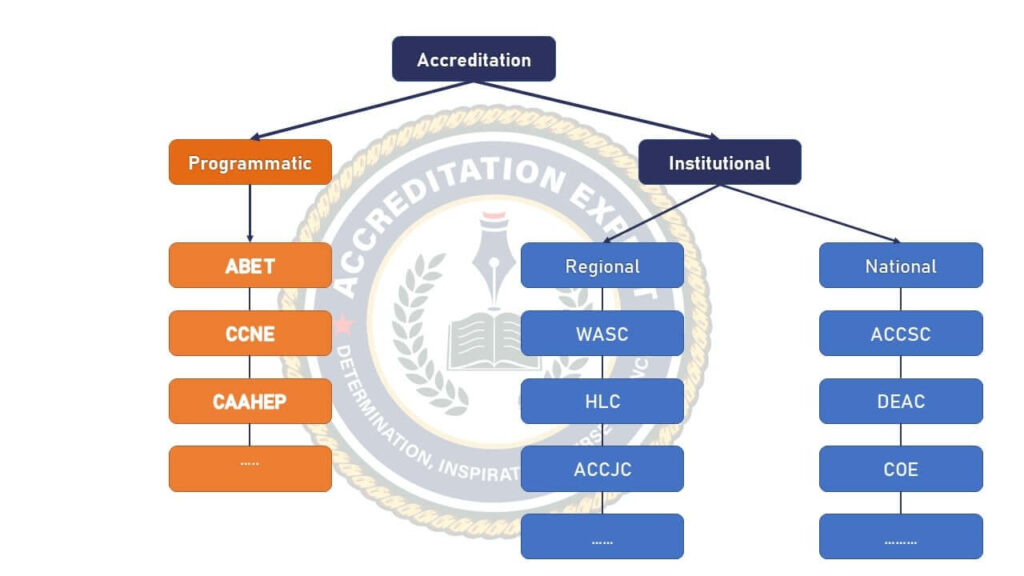
Alright, let's ease into this. Accreditation isn't some mysterious ritual; it's basically a thorough review process where independent organizations check if a university or program lives up to specific educational benchmarks. For university masters selection, this could mean everything from curriculum quality to faculty credentials. Imagine it like a restaurant inspection—except instead of clean kitchens, we're talking about programs that prepare you for the job market. In the U.S., bodies like the Higher Learning Commission or specialized accreditors for fields like nursing or engineering give their nod, while internationally, it's agencies like the European Quality Assurance Register. This isn't just bureaucracy; it's your assurance that the master's you're choosing isn't a fly-by-night operation.
Diving deeper, there's institutional accreditation, which covers the whole university, and programmatic accreditation, which zeroes in on specific masters programs. Why does this matter? Well, an accredited master's in data analytics from a top school might let you breeze into global job interviews, whereas a non-accredited one could leave you explaining gaps to recruiters. It's all about that extra layer of trust, especially when you're weighing options across countries or online platforms. And hey, in a world buzzing with memes about "fake it till you make it," accreditation is your real deal validator—no filters needed.
Personal growth from advanced degree pursuitsWhy Accreditation Should Be Your Non-Negotiable in Choosing a Master's
Here's where things get real: when you're sifting through university masters options, accreditation influences everything from financial aid eligibility to professional licensing. I remember scrolling through forums where grads shared horror stories—folks who picked unaccredited programs only to find their degrees didn't qualify for jobs or further studies. It's like buying a car without checking the VIN; you might drive it, but good luck selling it later. For instance, in tech-heavy fields, an accredited master's can mean access to certifications that boost your resume, turning you from a job seeker into a hot commodity.
From a cultural angle, think about how pop culture often glamorizes elite schools, but it's the accreditation behind them that holds the real power. Shows like "The Big Bang Theory" poke fun at academia, yet they highlight how a solid, accredited background can lead to breakthroughs. So, as you compare programs, factor in how accreditation aligns with your goals—whether it's climbing the corporate ladder or pivoting to a new career. It's not just about the name on the diploma; it's about the doors it unlocks in our ever-connected digital landscape.
How to Spot and Verify Accreditation Like a Pro
Okay, let's keep it light and practical. Verifying accreditation doesn't require a detective's hat—just a few savvy steps. Start by hitting up official databases like the U.S. Department of Education's website or equivalent bodies abroad. Look for red flags, like programs claiming accreditation from unrecognized agencies—that's as sketchy as a viral meme that's too good to be true. Once you're on a university's site, cross-reference their claims with accreditor lists; it's like double-checking reviews before booking a trip.
| Type of Accreditation | What It Covers | Impact on Master's Choices |
|---|---|---|
| Institutional | Evaluates the entire university | Ensures broad recognition, aiding in transfers and funding |
| Programmatic | Focuses on specific masters fields | Boosts employability in niches like healthcare or engineering |
| International | Cross-border validations | Facilitates global mobility and recognition |
This table isn't just filler; it's a quick cheat sheet to visualize how different accreditations play into your university masters selection, helping you weigh pros and cons without the overwhelm.
Navigating cultural differences in international mastersReal Talk: Stories and Surprises in the Accreditation Game
Switching gears, let's sprinkle in some real-life flavor. I once chatted with a colleague who switched from a non-accredited master's to one that was fully vetted, and the difference was night and day—better networking events, stronger alumni connections, and even scholarship opportunities. It's like upgrading from a generic brand to the premium one; suddenly, everything clicks. But beware of common traps, like assuming online programs are less accredited; many top-tier ones, like those from accredited online universities, are just as legit and flexible for busy lives.
In a nod to digital culture, think of accreditation as the "verified" badge on social media—it signals authenticity amid the noise. As you navigate your choices, remember that while trends like AI in education evolve, accreditation remains a steady anchor, adapting to new norms without losing its core value.
Quick FAQ on Accreditation for Master's Seekers
Q: Does accreditation affect job prospects after a master's? Absolutely, many employers prioritize accredited degrees for roles in regulated fields, ensuring your skills are up to standard and boosting your hireability.
Q: Can I transfer credits from a non-accredited master's? It's tricky; most accredited institutions won't accept them, potentially wasting your time and money, so always check first.
Avoiding debt with smart master's picksQ: How often is accreditation reviewed? Typically every few years, keeping programs accountable and evolving, much like how apps get updates to stay relevant.
As we wrap up this laid-back exploration, I'll leave you with this: what's your next move in chasing that dream master's—will you dive deeper into those accreditation details or let it slide? Either way, here's to making choices that feel as good as your favorite chill playlist.
Si quieres conocer otros artículos parecidos a Understanding accreditation in graduate choices puedes visitar la categoría Masters Choice.
Entradas Relacionadas