
Motivation letter keys for program applications
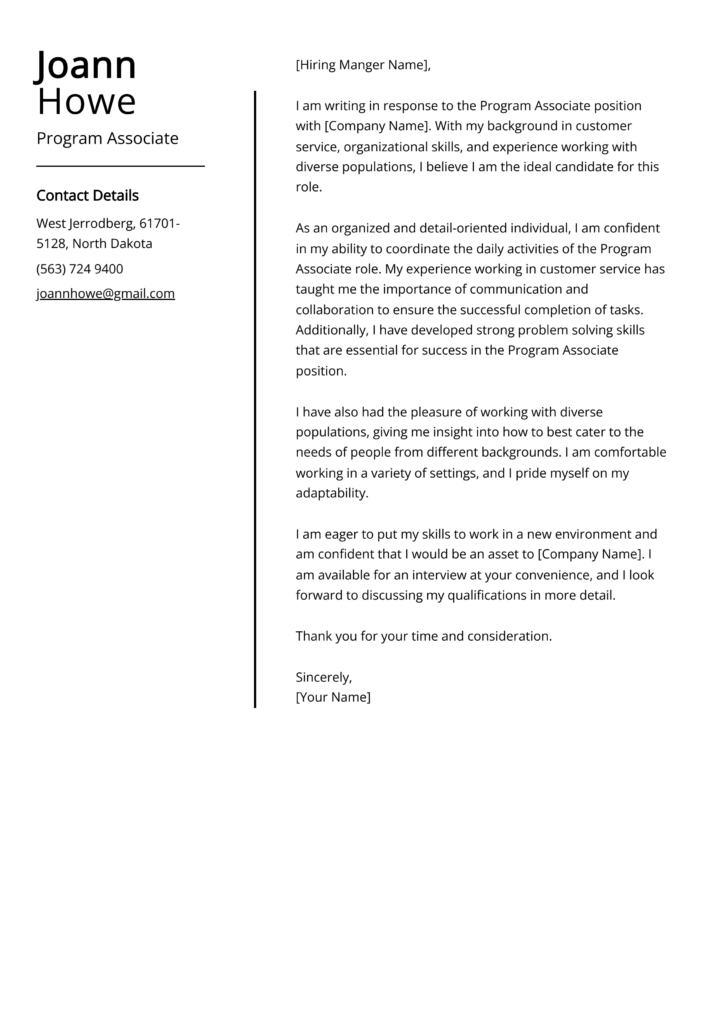
Ever find yourself staring at a blank screen, wondering how to pour your soul into a motivation letter for that dream master's program? I sure did. Back when I was applying for my own master's in Environmental Science, I felt like I was crafting a love letter to my future career—nervous, excited, and a bit clumsy with words. It's that personal touch that turns a standard application into a standout story, and today, we're diving into the keys that can make your motivation letter shine for university masters applications. Let's keep it chill, like chatting over coffee about turning your ambitions into action.
The real secret to nailing your motivation letter lies in blending your genuine passion with clear, structured storytelling. In essence, it's about showing admissions committees why you're not just qualified, but uniquely driven for their program. Think of it as your chance to say, "Hey, this master's is the missing piece in my puzzle." Aim for authenticity over perfection—around 500-700 words that hook them from the start and leave a lasting impression. By focusing on your motivations, experiences, and fit with the program, you'll craft a letter that stands out amidst the pile.
Why Your Motivation Letter Matters More Than You Think
Picture this: admissions officers sifting through hundreds of applications, each with transcripts and resumes that blur together. Your motivation letter is your breakout moment, the narrative that humanizes your stats. It's not just about listing achievements; it's about weaving in why a master's in, say, Business Analytics excites you. From my own experience, emphasizing how a program aligned with my career goals turned my application from good to great. Use it to showcase your personality—maybe throw in a quirky interest that ties back to the field, like how my love for hiking influenced my environmental pursuits. This keeps things relaxed and relatable, avoiding the stuffy formality that can make letters feel robotic.
Key here is tying your background to the program's specifics. Research the university's focus—perhaps their emphasis on sustainable practices if you're applying for a Master's in Engineering. By referencing faculty or projects, you demonstrate genuine interest, not just generic enthusiasm. It's like name-dropping in a conversation to show you're paying attention, making your letter feel fresh and connected.
Deadline awareness for popular master's spotsCrafting the Core Elements: What to Include for Maximum Impact
Let's break this down without overcomplicating it. Start with a strong opening that grabs attention—maybe a brief anecdote, like the time I volunteered abroad and realized I needed advanced studies to make a difference. Then, dive into three main sections: your academic and professional background, your motivations, and how you align with the program. For instance, highlight skills from your undergrad that directly relate, such as data analysis for a tech master's.
Avoid repetition by varying your language; instead of saying "I'm passionate" repeatedly, mix in synonyms like "driven" or "enthralled." If you're outlining steps, here's how to structure them naturally:
1Brainstorm your story: Jot down key experiences and passions in a casual list, then weave them into a narrative.
2Tailor to the program: Research and reference specific aspects, like a professor's work, to show you're not just applying everywhere.
Balancing work with master's coursework3End with a forward-looking vision: Wrap up by explaining how the master's will propel your goals, perhaps tying in a personal metaphor, like viewing it as the key unlocking your professional door.
To add some variety, here's a quick table comparing effective vs. ineffective elements in a motivation letter—it might spark that creative spark you're after:
| Effective Element | Ineffective Element |
|---|---|
| Specific examples of experiences (e.g., "Led a team project on renewable energy") | Vague statements (e.g., "I have experience in projects") |
| Personal connection to the program (e.g., "Inspired by your lab's research on climate tech") | Generic praise (e.g., "Your university is great") |
| Balanced tone—enthusiastic yet professional | Overly formal or casual slang that undermines credibility |
Avoiding Pitfalls: Common Mistakes and How to Sidestep Them
We've all been there—overloading with jargon or repeating the same idea. In my case, I once rambled about every job I'd had, which diluted my message. Keep it concise; focus on quality over quantity. Steer clear of clichés like "I've always been passionate"—instead, show it through stories. Proofread for errors, as a typo can shatter that relaxed vibe you're aiming for. Remember, this is your voice, so let it flow naturally, perhaps with a touch of humor if it fits, like joking about how your coffee addiction fueled late-night writing sessions.
Culturally, think about how global applications vary; in some regions, like Europe, letters might emphasize personal growth, while in the US, they lean towards career goals. Adapt accordingly to make your letter resonate, drawing from pop culture if relevant—say, comparing your journey to a hero's quest in a film, but keep it subtle.
Support for non-native speakers in master'sPolishing and Submitting: The Final Flourish
Once drafted, read it aloud to catch awkward phrasing—it's like rehearsing a speech. Get feedback from a mentor, but stay true to your story. Submit early to avoid last-minute stress, and double-check formats like PDF for compatibility. In wrapping this up, consider how your letter could be the bridge to your future—will you make it count?
Quick FAQ on Motivation Letters
Q1: How long should a motivation letter be? Aim for 500-800 words, typically one page. Keep it focused to hold attention, like a short story that packs a punch without dragging on.
Q2: Can I use the same letter for multiple applications? It's tempting, but tailor each one. Admissions spot generics a mile away, so personalize to boost your chances.
So, what's your next move—grabbing that notebook to start drafting? Your motivation letter could be the key that unlocks those master’s doors.
Research proposal crafting for applicantsSi quieres conocer otros artículos parecidos a Motivation letter keys for program applications puedes visitar la categoría How to apply.
Entradas Relacionadas