
Frequently asked questions about English master's options
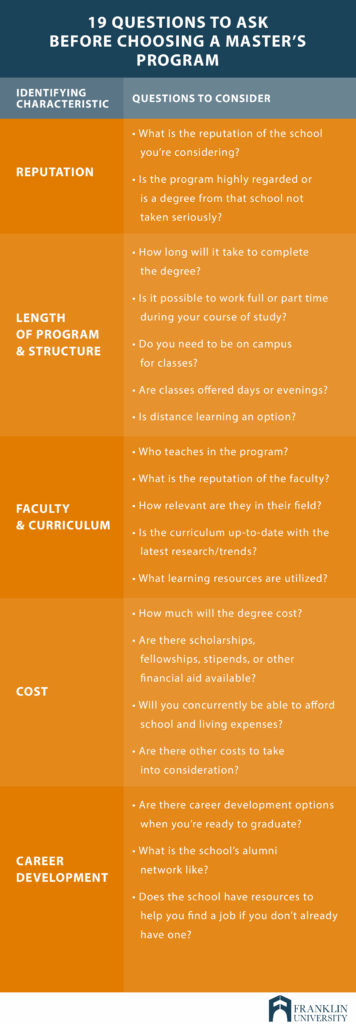
Ever find yourself scrolling through endless university websites late at night, coffee going cold, trying to wrap your head around all those English master's options? I know I did a few years back—it felt like diving into a maze of literature, linguistics, and everything in between. But hey, that's the beauty of it; these programs aren't just about hitting the books—they're gateways to new worlds, personal growth, and maybe even that dream job you've been eyeing. Today, we're unpacking the frequently asked questions about English master's options in a chill, straightforward way, because let's face it, deciding on a university master's degree shouldn't feel like solving a puzzle.
English master's options cover a wide spectrum, from diving deep into classic literature to mastering the art of teaching English as a second language. If you're curious, these programs are designed for anyone passionate about language, culture, and communication, often blending creativity with critical thinking. They can be a game-changer for your career, whether you're aiming to write the next bestseller or teach abroad. In essence, pursuing a university master's in English means investing in skills that translate to real-world opportunities, like better jobs in publishing, education, or even digital content creation.
Why Choose an English Master's Program?
Picture this: you're at a dinner party, and someone asks what you're up to these days. Saying, "Oh, I'm knee-deep in a master's in English literature," might earn you some raised eyebrows, but it's more than just geeky bragging rights. These degrees sharpen your analytical skills, boost your confidence in expressing ideas, and open doors to diverse fields. From my own chats with alumni, I've heard stories of folks landing roles in global companies because they could craft a compelling narrative or navigate cultural nuances—skills honed through these programs. It's not just about academics; it's about evolving into a more articulate version of yourself, all while exploring everything from Shakespeare to modern memes.
One thing that always surprises people is the variety. You might opt for a creative writing master's if you're into storytelling, or go for linguistics if language evolution fascinates you. And let's not forget the cultural angle—many programs incorporate references to pop culture, like analyzing social media trends or how Netflix series reflect societal shifts. It's relatable, fun, and far from the stuffy image some have of higher education.
Strategic planning for English master's career transitionsTop Questions on Application and Requirements
Okay, so you're sold on the idea—now what? Most folks wonder about the nitty-gritty, like what it takes to get in. Generally, for English master's options, you'll need a bachelor's degree, often in a related field, plus strong language skills if English isn't your first tongue. Think TOEFL or IELTS scores hovering around 6.5 to 7.0 for non-native speakers. But here's a tip from the trenches: admissions teams love seeing passion, so that personal statement where you share a mini-story—maybe about how a book changed your perspective—can make all the difference.
Costs vary wildly, which is another hot topic. In the US, you're looking at $20,000 to $50,000 a year, while European options like those in the UK or Netherlands might run €10,000 to €20,000, often with scholarships easing the burden. It's like comparing apples to oranges; some programs offer online flexibility, perfect for balancing work and life, while others immerse you in campus vibes. To keep it light, imagine picking your adventure: the fast-paced city program or the quaint university town that feels like a storybook setting.
Comparing Popular English Master's Paths
If you're torn between specialties, a quick comparison might help. Let's break it down in a simple table to visualize the differences—because who doesn't love a good chart when decisions are on the line?
| Type of Master's | Focus | Ideal For | Potential Outcomes |
|---|---|---|---|
| Literature and Criticism | Analyzing texts, historical contexts, and theory | Book lovers and critical thinkers | Academic careers, publishing, or cultural commentary |
| Creative Writing | Workshops on fiction, poetry, and scripts | Aspiring authors and storytellers | Freelance writing, book deals, or media production |
| TESOL (Teaching English) | Language pedagogy and classroom strategies | Those passionate about education and travel | International teaching jobs, curriculum development |
As you can see, each path has its vibe—creative writing might feel like a writer's retreat, while TESOL prepares you for real-world adventures, like teaching in bustling Asian cities or quiet European villages. No wrong choices here, just what sparks your interest.
Essential resources for English master's applicantsAddressing Common Myths and Realities
There's a paragraph worth lingering on that directly tackles the heart of your search: If you're pondering English master's options, know that they offer flexible formats, from one-year intensives to part-time studies, catering to various lifestyles and goals. These programs not only enhance your expertise in areas like digital humanities or global literature but also foster networks that lead to collaborations and jobs—making them a solid step for career advancement, all wrapped in about 48 words of straightforward advice.
One myth I always chuckle at is that these degrees are only for future professors. In reality, they're versatile—think tech companies hiring for content roles or NGOs needing strong communicators. A friend of mine pivoted from an English master's to a marketing gig, using skills in persuasive writing to craft viral campaigns. It's about adapting to today's world, where even AI-generated content needs a human touch to resonate.
Quick Tips for Making Your Choice
Don't overthink it—start by listing what excites you most. Is it debating classic novels or creating your own? Research universities with strong reputations, like those in the Ivy League or emerging ones in Asia, and reach out to current students for unfiltered insights. Remember, it's okay to mix and match; many programs allow electives to tailor your journey.
FAQs on University Master's Degrees
Wrapping up our chat, here's a mini FAQ section with answers to questions I often hear buzzing around.
Diverse perspectives on English master's experiences- Q: How long does an English master's typically take? A: Most programs last one to two years full-time, giving you time to dive deep without overwhelming your life—perfect for easing into post-grad studies.
- Q: Are online English master's options as valuable? A: Absolutely, especially from accredited universities; they offer the same credentials and often more flexibility, letting you learn from home while juggling other commitments.
- Q: What if I don't have a background in English? A: Many programs welcome diverse applicants; as long as you're eager to learn, bridging courses or foundational modules can get you up to speed quickly.
As we wind down this exploration, think about this: What's one English master's option that could light up your path forward, turning those late-night scrolls into real action? Whether it's penning your first novel or shaping young minds abroad, it's all within reach—go ahead, make that leap.
Si quieres conocer otros artículos parecidos a Frequently asked questions about English master's options puedes visitar la categoría University Masters.
Entradas Relacionadas