
Reputable rankings of English master's programs
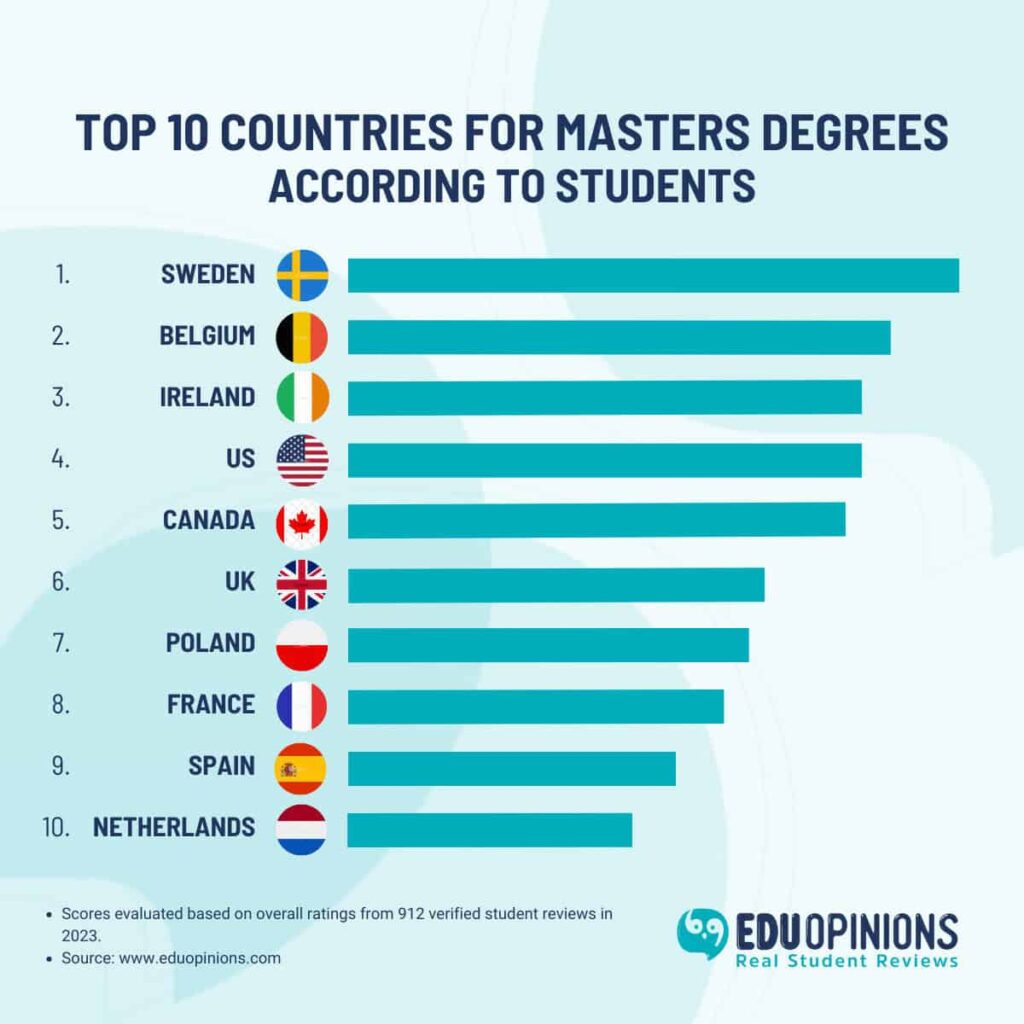
Ever find yourself scrolling through endless lists of university programs, coffee in hand, wondering if that shiny "top-ranked" master's in English is worth the hype? I remember my own hunt for a graduate degree—it felt like dating apps for academics, swiping left on overpriced options and right on ones that promised adventure and growth. Today, we're diving into the world of reputable rankings for English master's programs, stripping away the jargon to help you make a smart, stress-free choice. Let's keep it chill, like chatting over a campus coffee shop table, as we explore what really makes these programs stand out.
Reputable rankings are essentially curated lists from trusted sources that evaluate universities based on factors like academic quality, faculty expertise, and graduate outcomes. For English master's programs, they highlight institutions offering degrees in literature, creative writing, linguistics, and more, often taught in English for international appeal. If you're seeking a program that balances prestige with practical value, these rankings can be your starting point, pointing to schools where alumni actually land dream jobs in publishing, education, or media.
Alright, let's break this down without getting too stuffy. First off, what even makes a master's program in English reputable? It's not just about ancient buildings or famous alumni—though those help. Think of it like picking a favorite band: you want a mix of timeless hits (solid curriculum) and fresh tracks (innovative research opportunities). Reputable programs often score high on global indices for teaching quality, research output, and student satisfaction. For instance, sources like QS World University Rankings or Times Higher Education emphasize metrics such as employer reputation and international diversity, which are crucial for English programs that attract students from around the globe.
Decoding the Top Ranking Sources
Picture this: you're at a bookstore, flipping through guidebooks on the best global universities. That's basically what these ranking organizations are—trusted critics rating the scene. QS and THE are the rockstars here, with QS often spotlighting programs for their global impact and THE focusing on teaching excellence. Then there's the Academic Ranking of World Universities (ARWU), which dives deep into research productivity. For English master's specifically, these lists filter for programs where English is the primary language, making them ideal for non-native speakers chasing advanced degrees.
Invaluable skills gained from English master's studiesBut rankings aren't one-size-fits-all. Let's say you're into creative writing; you might lean towards programs ranked highly for arts and humanities, like those at the University of Oxford or New York University. These spots often pop up because of their stellar faculty—think Pulitzer winners teaching your seminars. A fun fact: Did you know that some rankings now include student reviews, almost like Yelp for academia? It's a nod to real-world experiences, reminding us that a program's vibe matters as much as its stats.
Going Beyond the Numbers: What Really Counts?
Sure, rankings give you a shortcut, but let's get real—choosing a master's is personal, like picking a travel destination that matches your soul. Factors like location, cost, and specialization can outweigh a high rank. For example, if you're drawn to environmental literature, a program at the University of California, Berkeley might edge out a more prestigious one elsewhere due to its focus on eco-criticism and outdoor fieldwork. English master's programs vary widely; some emphasize theory, others practical skills like digital storytelling or publishing.
To keep it light, imagine rankings as a playlist: QS might be your pop hits, straightforward and popular, while US News & World Report feels more indie, with niche categories. Don't forget cultural fits—studying in the UK versus the US can mean different teaching styles, from seminar-based discussions in London to workshop-heavy classes in Boston. And hey, if you're budgeting, check for scholarships; many top programs offer them, turning a dream into a doable plan.
A Snapshot Comparison of Standout Programs
Let's lay out a quick table to compare a few heavy-hitters in English master's programs, based on common ranking insights. This isn't exhaustive, but it gives you a relaxed overview to spark your own research.
Forward-thinking innovations in English master's fields| Program/Institution | Key Strengths | Typical Ranking (e.g., QS 2023) | Why It's Reputable |
|---|---|---|---|
| University of Cambridge (UK) | Historical depth, literary theory | Top 5 globally | Alumni include Nobel laureates; strong research focus |
| Harvard University (USA) | Interdisciplinary options, creative writing | Top 10 | World-class faculty and extensive networks |
| University of Melbourne (Australia) | Diverse cultural perspectives, indigenous studies | Top 20 | Affordable for internationals, with practical placements |
This comparison shows how rankings highlight unique perks, like Cambridge's tradition versus Melbourne's modern edge. Use it as a jumping-off point, but remember, your fit matters most.
If rankings feel overwhelming, here's a casual guide to streamline things. First,
1Start by identifying your niche—whether it's poetry or digital media—to narrow down programs that align with your passions.
2Dive into alumni stories on LinkedIn; it's like eavesdropping on success tales that rankings don't cover.
Authentic stories from English master's graduates3Visit virtual open days—it's free and gives you that real feel, minus the jet lag.
And finally,
4Chat with current students; their unfiltered insights can be gold, revealing the everyday magic or mundane bits of program life.
As we wrap up this laid-back tour, think about how these rankings aren't just lists—they're invitations to shape your future. What if the program that calls to you isn't at the very top? That's okay; it's your story. Maybe you'll find inspiration in a lesser-known gem, turning your master's into a personal legend.
Groundbreaking opportunities via English master's degreesFAQs on English Master's Programs
Q1: How often do rankings change? Rankings are updated annually, so check the latest editions from sources like QS to catch any shifts in program performance or new entrants.
Q2: Are English-taught programs suitable for non-native speakers? Absolutely, many offer language support and are designed for international students, ensuring you thrive regardless of your background.
Q3: What's the average cost of a top-ranked English master's? It varies widely, from $20,000 to $50,000 per year, but scholarships can ease the burden, especially at public universities.
Si quieres conocer otros artículos parecidos a Reputable rankings of English master's programs puedes visitar la categoría University Masters.
Entradas Relacionadas