
Career impacts of selecting the right master's
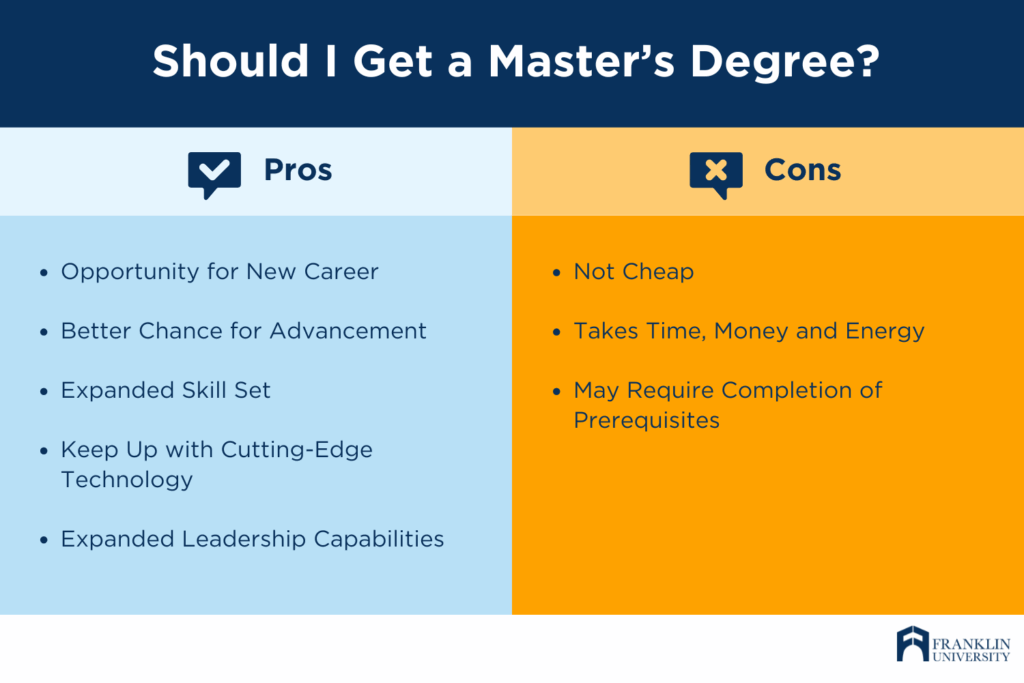
Ever thought about how picking the wrong master's could turn your career into a bit of a maze? I remember my buddy Alex, who jumped into a generic business master's thinking it was the golden ticket. Fast forward a few years, and he's stuck in a job that feels like a dead end, while his pals with specialized degrees are climbing the ladder. It's a reminder that choosing the right university master's isn't just about ticking a box—it's about steering your professional life in the right direction. Let's dive into this casually, shall we?
Selecting the right master's degree can profoundly shape your career trajectory by matching your passions with real-world demands, potentially unlocking doors to higher salaries, promotions, and even that elusive work-life balance. Imagine aligning your studies with emerging industries; it's like giving your resume a superpower boost, making you stand out in job interviews and opening paths to leadership roles. In essence, the right choice isn't just an education—it's a career catalyst that can lead to fulfillment and financial growth.
Okay, so why does this matter? Well, in today's job market, a master's isn't just a nice-to-have; it's often the key that differentiates you from the crowd. Take tech fields, for instance—grabbing a master's in AI could catapult you into roles paying six figures, whereas a vague degree might leave you competing for entry-level spots. It's all about that strategic pick, influenced by trends like remote work booms or green energy shifts. And hey, I'm not just spouting stats; I've seen friends pivot from underpaid gigs to dream jobs after nailing the right program.
Why Your Master's Pick Feels Like Choosing a Life Path
Diving deeper, the career impacts of selecting the right master's often boil down to alignment. If you're into healthcare, a specialized master's in nursing administration could fast-track you to management, complete with better perks and influence. Conversely, a generic one might keep you in clinical roles forever. It's like picking the express lane versus the scenic route—both get you there, but one saves time and energy. Plus, with employers eyeing soft skills like adaptability, programs that blend tech and humanities can make you a well-rounded gem.
In-depth analysis of master's program rankingsLet's not forget the financial side. Data from sources like the U.S. Bureau of Labor Statistics shows that holders of targeted master's degrees, such as in engineering or data science, often earn 20-30% more than their bachelor's-only counterparts. That's not pocket change; it's life-changing. But it's not all about money—satisfaction matters too. Choosing a master's that resonates with your interests can turn work into something you actually enjoy, reducing burnout and keeping that spark alive.
Key Factors to Weigh Before Diving In
When you're sifting through options, think of it as curating your own adventure. Start with market demand—check job postings on LinkedIn or Glassdoor for hot skills in your field. For example, if sustainability is your thing, a master's in environmental science might align with growing green jobs. Then, consider program reputation; a degree from a top university can open alumni networks that feel like VIP access.
Cost and time are big players here too. An online master's might fit if you're juggling a job, offering flexibility without derailing your life. And don't overlook personal growth—pick something that challenges you, like incorporating internships or research, to build that resume edge. It's like assembling a puzzle; every piece matters for the big picture of your career.
Real Stories That Hit Home
Picture Maria, a former colleague who switched from a humanities bachelor's to a master's in digital marketing. She didn't just land a job; she skyrocketed into a creative director role within three years, thanks to skills in SEO and social media trends. On the flip side, my cousin opted for a master's in a declining industry, and now he's retraining mid-career. These tales show how your choice can either amplify your story or leave you rewriting it. It's a mix of strategy and a dash of luck, like betting on the right horse in a race.
Personalized approaches to master's decision-makingTo add a cultural twist, think about how in places like Silicon Valley, master's degrees in tech are almost meme-worthy badges of innovation, while in Europe, they might emphasize practical apprenticeships. This global view can inspire you to blend influences, maybe even drawing from pop culture like "The Office" episodes where characters regret their career moves—don't be that guy!
A Quick Compare of Master's Paths
To make this concrete, here's a simple table breaking down how different master's types might impact your career:
| Type of Master's | Career Boost | Potential Drawbacks |
|---|---|---|
| Specialized (e.g., Data Science) | High demand, quick promotions, salary jumps up to 50k | Intense competition, rapid tech changes |
| General (e.g., MBA) | Versatile roles, networking opportunities | Overcrowded market, less unique edge |
| Interdisciplinary (e.g., Environmental Policy) | Emerging fields, innovative jobs | Longer to see returns, niche markets |
This comparison isn't exhaustive, but it highlights how tailoring your choice can steer clear of pitfalls and maximize gains.
Wrapping Up with a Thought on Your Journey
As we ease out of this chat, consider how your master's selection is like planting a seed—water it right, and it blooms into a thriving career tree. What's one step you're itching to take today to explore your options?
Overlooked aspects when picking a master'sFAQ: Quick Answers on Master's Choices
Q1: What if I pick the wrong master's? It's not the end—many pivot with additional certifications or experience, turning missteps into valuable lessons for future growth.
Q2: How long does it take to see career impacts? Typically 1-5 years, depending on the field, but networking early can speed things up impressively.
Q3: Is an online master's as impactful? Absolutely, especially from accredited programs; they offer flexibility without sacrificing credibility in today's remote-friendly world.
Si quieres conocer otros artículos parecidos a Career impacts of selecting the right master's puedes visitar la categoría Masters Choice.
Entradas Relacionadas