
Overlooked aspects when picking a master's
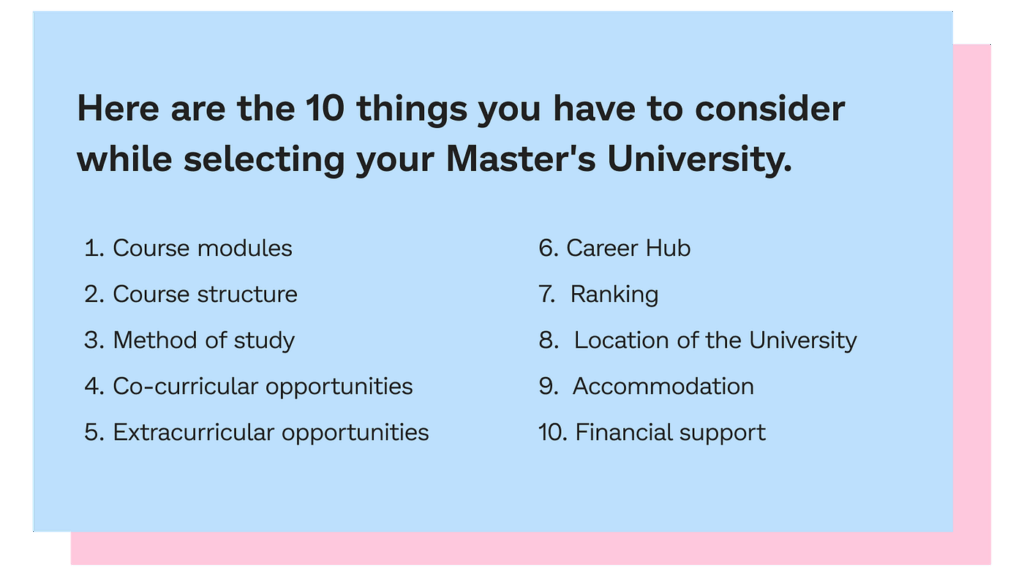
Ever bumped into someone at a reunion who's still paying off student loans from a master's that didn't pan out? Yeah, me too—it's like that friend who bought a fancy car only to realize it guzzles gas like there's no tomorrow. Picking a master's degree isn't just about chasing that dream job; it's a maze of overlooked details that can turn your academic adventure into a regret-fest. Let's chat about those sneaky aspects most folks gloss over, all while keeping things light and real, because who needs another stiff guide when life's already complicated enough?
Overlooked aspects when picking a master's can really shape your future in ways you might not expect. For instance, it's not just about the shiny curriculum; it's the nitty-gritty like how that degree meshes with your daily grind. In a nutshell, when you're eyeing a master's, don't forget to weigh the hidden costs, personal fit, and long-game impacts—these elements often decide if you'll look back with a smile or a sigh.
Diving deeper, one of the biggest slip-ups is ignoring the financial undercurrents. Sure, tuition fees grab the spotlight, but what about the cost of living in that university town? I remember a buddy who picked a program in a bustling city, only to get hit with sky-high rents and daily commutes that ate into his sanity. It's like planning a vacation without checking the weather—exciting at first, but you end up soaked. Think about scholarships, part-time work options, and even tax benefits; these can make or break your bank account without you seeing it coming.
The Sneaky Expenses That Add Up
Alright, let's get specific. Beyond the obvious tuition, there are these phantom costs lurking in the shadows. For example, books, software, and travel for conferences can pile on thousands. And hey, if you're relocating, factor in moving trucks, deposits, and that inevitable "I need new furniture" splurge. A recent survey I stumbled upon showed that nearly 40% of grad students underestimate these extras by at least 20%. That's a wake-up call, right? To keep it real, always budget for the intangibles—it's like packing an umbrella for a picnic; you hope you won't need it, but oh boy, if you do.
Pros and cons of business administration mastersAnother layer is opportunity cost. What's that? It's the money and experiences you're giving up by not working full-time. I once toyed with a master's myself but backed out when I realized I'd be trading a steady paycheck for ramen noodles and late-night study sessions. If you're in your late 20s or beyond, this hits hard—think about family time or career progression you're pausing. Use tools like net present value calculators to crunch the numbers; it's not glamorous, but it's eye-opening.
How It Fits Your Real Life, Not Just Your Resume
Now, picture this: you graduate with a master's in, say, environmental science, but it doesn't vibe with your love for urban planning. That's a classic oversight—focusing on the degree's prestige over personal passion. In my circle, there's this gal who dove into a tech master's because it was "hot," only to find herself miserable coding when she'd rather be sketching designs. It's all about alignment; does the program feed your soul or just your LinkedIn profile?
Consider the program's flexibility too. Online vs. in-person? If you're juggling a job or kids, an asynchronous course might be a lifesaver, letting you learn in your PJs at 2 AM. And don't overlook the cohort—will you be surrounded by like-minded peeps or feel like the odd one out? Building a network is gold, but if it's all awkward mixers and forced group projects, it might not click. Reference cultural nods here, like how memes about "grad school isolation" on Reddit hit home for so many—it's a shared struggle that can make or break your motivation.
Long-Term Vibes: What Happens After Graduation?
Fast-forward a few years: Is that master's opening doors or just a fancy wall hanger? Many overlook job placement stats and alumni success stories. Dig into where grads end up—sure, a university might boast high employment rates, but are those jobs in your field or just anywhere? I love how pop culture captures this, like in that episode of "The Office" where characters chase promotions that fizzle out. It's a reminder to scrutinize career services and industry connections.
Effective ways to research graduate programsAlso, think about the evolving job market. With AI and remote work reshaping everything, a master's in a static field might not age well. Blend in some curiosity: What if you experiment with a short course first? It's like test-driving a car before buying—low risk, high insight. And for a fun twist, compare it in a table:
| Aspect | Traditional Master's | Specialized or Online Master's |
|---|---|---|
| Career Relevance | Often broad, may need extra certs | Tailored to niches, quicker ROI |
| Cost | Higher due to on-campus fees | Lower, with flexible payment options |
| Lifestyle Fit | Demands relocation or commuting | Works around your schedule |
This quick compare shows how overlooked details can steer your choice toward something that actually sticks.
Personal Stories and Unexpected Turns
Wrapping up the deep dive, let's touch on the emotional side—because hey, we're human. Choosing a master's isn't just logical; it's personal. I recall a family friend who switched programs midway after realizing it clashed with her health needs—no one told her about the intense workload's toll. It's these stories that underscore why self-reflection matters. Ask yourself: Will this enhance my life or just add stress? Maybe tie it to a digital reference, like those TikTok videos where folks share their "master's regrets"—raw, relatable, and a goldmine for insights.
For a FAQ that'll clear the air:
Building a strong master's application portfolio- What should I prioritize if I'm on a budget? Focus on programs with strong financial aid and low hidden costs; always calculate total expenses versus potential salary boosts to ensure it's worth it.
- How do I know if a master's aligns with my career? Chat with alumni, review job outcomes, and test the waters with internships—it's like dating before marriage, gotta see if it clicks.
- Is an online master's as valuable? Absolutely, if it's from a reputable institution; many employers now value flexibility over format, but verify accreditation first.
And as we ease out of this chat, imagine standing at that crossroads again—what one overlooked aspect will you double-check this time? It's your story, after all, so make it one worth telling.
Si quieres conocer otros artículos parecidos a Overlooked aspects when picking a master's puedes visitar la categoría Masters Choice.
Entradas Relacionadas