
Strategies for Funding Your Master's Abroad
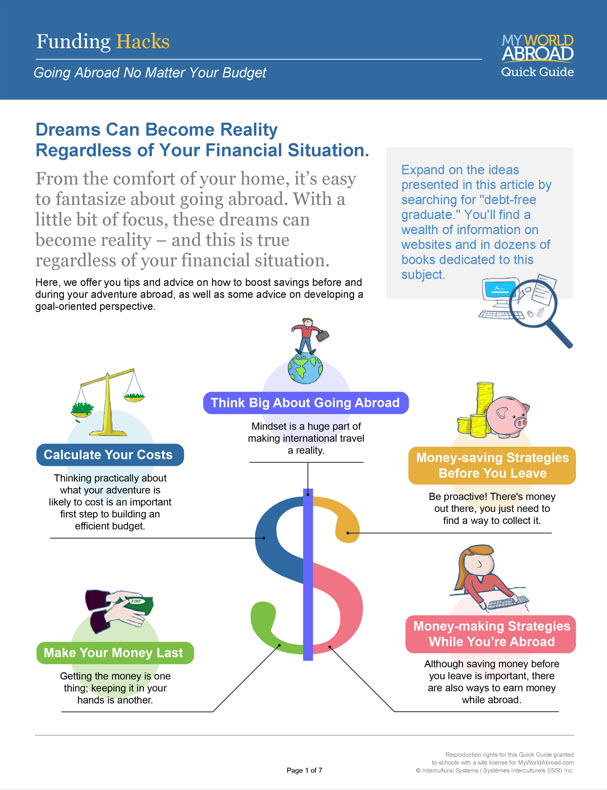
Ever thought about chasing that dream Master's degree overseas, but the thought of the price tag makes you want to hide under your bed with a tub of ice cream? Yeah, me too—back when I was plotting my own escape to Europe for my studies, the funding puzzle felt like trying to solve a Rubik's cube blindfolded. But hey, it's totally doable, and I'm here to spill the beans on some real, down-to-earth strategies that can turn that overseas adventure from a pipe dream into your next big chapter. Let's dive in with a mix of practical tips and a dash of that "you got this" vibe.
Strategies for funding your Master's abroad boil down to mixing smarts with a bit of hustle. Start by exploring scholarships tailored for international students, applying early to loans with favorable terms, and even picking up part-time gigs in your host country. With the right plan, you can cover costs without drowning in debt—think of it as building your own financial safety net while soaking up new cultures.
Alright, let's break this down without getting too stuffy. First off, you've got to get a grip on the big picture. Funding a Master's abroad isn't just about throwing money at it; it's about smart choices that align with your life story. I remember chatting with a friend who landed in London for her program—she juggled university grants with freelance gigs and came out the other side not just debt-free, but with stories that could fill a memoir. It's all about that personal touch, making the process feel less like a chore and more like part of your journey.
Exploring Scholarships: Your Golden Ticket Overseas
Scholarships are like those hidden gems in a thrift shop—easy to overlook but totally worth the hunt. For Master's programs abroad, organizations like Fulbright, Chevening, or Erasmus+ offer packages that can cover tuition, living expenses, and even travel. What's cool is how these aren't one-size-fits-all; many target specific fields, like STEM or environmental studies, so if you're passionate about climate change, there might be a fund with your name on it. I once heard about a meme going around on Reddit where folks shared their "scholarship wins" as if they were lottery tickets—hilarious, but it underscores how common these opportunities are if you dig a little.
Ideas for Selecting the Ideal Master's Program OverseasTo make this concrete, let's compare a few popular ones in a quick table. This isn't exhaustive, but it gives you a feel for what's out there:
| Scholarship | Focus | Coverage |
|---|---|---|
| Fulbright | US students abroad | Full tuition + stipend |
| Chevening | Global for UK studies | Tuition and living costs |
| DAAD | Germany-focused | Varies, often includes research funds |
Pro tip: Don't just apply blindly—tailor your essays to show why you're a perfect fit. It's like crafting a personal brand on LinkedIn; authenticity sells.
Loans and Financial Aid: When You Need a Safety Net
Okay, so scholarships might not cover everything—enter loans, the trusty backup that doesn't have to be a nightmare. Programs like international student loans from banks or entities like Prodigy Finance are designed for folks like you, with flexible repayment after graduation. But here's the emotional side: I get it, borrowing money feels like carrying a backpack of bricks, especially when you're far from home. The key is to shop around—compare interest rates and terms as if you're bargain hunting at a flea market.
If you're from certain countries, government-backed aid can be a game-changer. For instance, EU citizens might access Erasmus+ loans, while others could tap into home-country programs. And don't forget university-specific aid; many schools abroad have funds for international students, often based on merit or need. It's all about that mix—think of it as layering your finances like a perfect outfit for a chilly European autumn.
Myths Surrounding Earning a Master's in Another CountryWorking Your Way Through: Part-Time Gigs and Beyond
Now, for the hands-on crowd, working while studying is a strategy that's as old as time but still golden. In places like the US, Canada, or Australia, international students can often work up to 20 hours a week on a student visa. Picture this: barista by day, Master's student by night—it's exhausting, sure, but it builds character and pads your wallet. I recall a cultural reference from a Netflix show where a character funds her studies abroad by tutoring; it's not far off from reality and adds a touch of humor to the grind.
1Start by checking visa rules for work permits in your target country—it's the first step to avoiding any surprises.
2Hunt for on-campus jobs; they're often more flexible and directly tied to your studies, like research assistant roles.
3Freelance online if your skills allow—writing, graphic design, or tutoring can be done from anywhere, blending work with your new adventures.
Solutions to Visa Challenges for Master's Applicants AbroadExtra Tips for Smoothing the Ride
Sometimes, it's the little things that make the difference. Budgeting apps can track your expenses like a personal finance guru, and networking events might uncover sponsorships from alumni groups. Oh, and that pop culture nod to "The Pursuit of Happyness" reminds us that persistence pays off—keep that in mind on tough days. Funding your Master's abroad is as much about mindset as money; stay adaptable, and you'll find ways to make it work.
In wrapping up this chat, imagine standing in a foreign city square, coffee in hand, knowing you've conquered the funding beast—what's your next move? Whether it's diving deeper into applications or chatting with a mentor, take that step and own your story abroad.
FAQ
What are the most common mistakes when applying for scholarships abroad? One big slip-up is rushing applications; take time to personalize them, as generic ones often get overlooked. Also, missing deadlines is a killer—set reminders early.
Is it realistic to fully fund a Master's without loans? Absolutely, especially with a combo of scholarships and part-time work, but it depends on your field and location. Many students do it by starting early and being resourceful.
Exploring Affordable Master's Options in Foreign UniversitiesHow do I know if a loan is worth it for studying abroad? Weigh the potential career boost against the debt; if your degree opens high-paying doors, it could be a smart investment—just ensure the terms are favorable and aligned with your plans.
Si quieres conocer otros artículos parecidos a Strategies for Funding Your Master's Abroad puedes visitar la categoría Foreign.
Entradas Relacionadas