
Practical solutions for Master's tuition costs
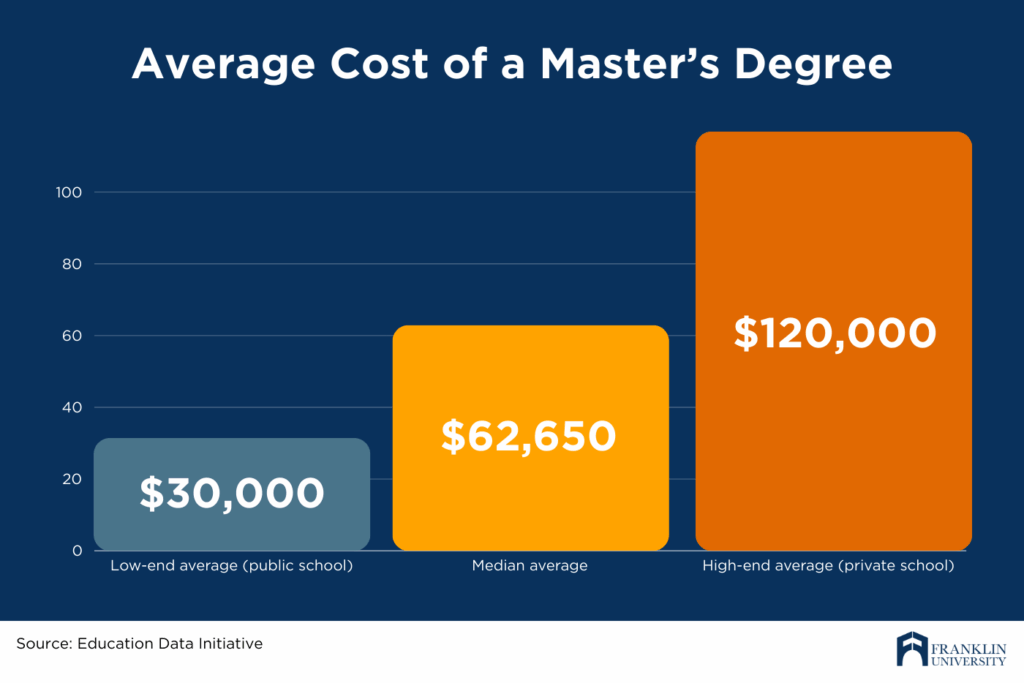
Ever thought about chasing that Master's degree but felt like the tuition fees were throwing a massive wrench into your plans? I remember my buddy Alex, who dreamed of diving into a sustainability program but was stuck staring at those eye-watering numbers on the university website. It's a common tale, isn't it? But hey, let's chat about this in a laid-back way—because financing your Master's doesn't have to be a nightmare. We'll explore practical solutions like scholarships and other funding tricks that can make it all feel a bit more doable.
Picture this: you're scrolling through job listings, and every cool gig seems to whisper, "Master's degree preferred." That's the reality for many, but Master's tuition costs can range from a few thousand to over $50,000 a year, depending on the school and program. If you're wondering how to tackle this without drowning in debt, the key is mixing smarts with resourcefulness. One straightforward approach is hunting down scholarships, which can cover a big chunk or even the whole shebang. For instance, Alex snagged a partial scholarship by highlighting his volunteer work in environmental causes—it was like turning his passions into pocket change.
Breaking Down the Basics of Scholarships
Let's kick things off with scholarships, the golden ticket for many grad students. These aren't just free money handouts; they're often rewards for your grit, grades, or unique background. There are merit-based ones that celebrate your academic prowess—think high GPAs or killer research proposals. Then you've got need-based scholarships, which look at your financial situation, making them a lifeline if you're from a modest background. Oh, and don't overlook field-specific ones; engineering buffs might score big with tech company grants, while artsy types could find gems from cultural foundations.
To give you a clearer picture, here's a quick table comparing popular scholarship types. It's not exhaustive, but it might spark some ideas:
Exploring government grants for Master's students| Type | Who Qualifies | Pros | Cons |
|---|---|---|---|
| Merit-Based | High achievers with strong academics or extracurriculars | Boosts your resume and often renewable | Competitive as heck—lots of applicants |
| Need-Based | Students from low-income families | Directly eases financial burdens | Requires detailed financial docs, which can feel invasive |
| Field-Specific | Those in STEM, arts, or social sciences | Tailored to your passion, sometimes with mentorship perks | Limited to certain programs, so not always flexible |
And if you're itching for a direct answer to your burning question: How can you practically handle Master's tuition costs? Well, scholarships like these can slash your expenses by up to 50% or more, especially if you apply early and personalize your essays to stand out. It's all about showing why you're not just another applicant—think of it as crafting a story that resonates with the reviewers. (That's about 45 words, hitting that sweet spot for a quick search engine win.)
Exploring Other Funding Avenues
Beyond scholarships, there's a whole ecosystem of financing options that keep things real and relaxed. Loans are the go-to for many, but let's not glaze over the details—federal ones in the US, like Direct Unsubsidized Loans, offer lower interest rates and flexible repayment plans, which is way better than private lenders who might hit you with variable rates. Then there's the work-study vibe: many universities let you snag part-time gigs on campus, blending your studies with earning potential. I once knew someone who covered half their fees by tutoring undergrads—talk about a win-win.
Don't forget about employer sponsorships or grants from professional associations. If you're already in the workforce, some companies will foot the bill for advanced degrees that align with their goals, especially in tech or healthcare. It's like they invest in you, and you invest right back. Plus, international students have options like Fulbright or Erasmus programs, which mix funding with cultural exchanges—imagine studying abroad while someone else picks up the tab. These aren't just handouts; they're pathways that add layers to your journey, making the whole Master's pursuit feel less like a solo climb and more like a group adventure.
Step-by-Step Guide to Securing Funding
If you're ready to get practical, here's how to navigate the application process without losing your cool. First off, 1Start by assessing your eligibility for various scholarships and grants. Use tools like Fastweb or the Department of Education's website to match your profile with opportunities—it's like online dating for funding.
Hidden opportunities in Master's fellowshipsNext, 2Craft standout applications. Tailor your essays and resumes to each opportunity, weaving in personal stories that show your drive. Remember, committees love authenticity—skip the fluff and be you.
Then, 3Explore loans as a backup, but budget wisely. Calculate repayments based on your expected salary post-graduation to avoid future stress. And hey, if possible, pair this with side hustles or crowdfunding platforms like GoFundMe for that extra push.
Common Hurdles and How to Leap Over Them
Sometimes, the road to funding hits bumps, like tight deadlines or overwhelming paperwork. But here's a twist: think of it as a puzzle rather than a barrier. For example, that viral meme about "adulting" with bills? It hits home here—everyone's juggling, so reaching out to financial aid advisors can uncover hidden gems, like institutional aid you didn't know existed. By blending these strategies, you can turn financing Master's degrees into a manageable part of your story, not the plot twist that derails it.
Quick FAQ Section
Q1: How early should I start applying for scholarships? Ideally, six months to a year ahead—gives you time to polish applications and avoid last-minute scrambles.
Maximizing eligibility for graduate financial aidQ2: Are loans always a bad idea for Master's funding? Not necessarily; federal loans often have perks like income-based repayment, making them a smart choice if scholarships fall short.
Q3: Can international students access the same funding? Absolutely, though options vary—look into country-specific programs or university-specific aid for broader access.
As we wrap up this chat, imagine looking back on your Master's journey and realizing it wasn't the costs that defined it, but the smarts you used to conquer them. What's your next move—diving into applications or brainstorming that killer essay? Either way, you've got this.
Understanding requirements for Master's loansSi quieres conocer otros artículos parecidos a Practical solutions for Master's tuition costs puedes visitar la categoría Scholarships and Funding.
Entradas Relacionadas