
Cultural Adjustment Tactics for New Master's Students Abroad
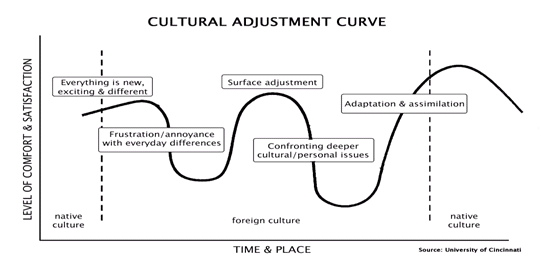
Picture this: You're standing at the airport, passport in hand, buzzing with excitement about diving into that dream Master's program halfway across the world. But as the plane touches down, reality hits—suddenly, everything from the food to the social norms feels wildly off-kilter. I remember my own leap into studying abroad; it was like trying to dance a tango when you're used to waltzing. If you're a new Master's student gearing up for this adventure, you're not alone in that whirlwind of cultural adjustment.
Alright, let's cut to the chase: cultural adjustment tactics are your secret weapons for thriving in a foreign Master's program. Essentially, it's about easing into new routines and mindsets without losing your cool. Think of it as packing an emotional toolkit before you go—strategies that help you adapt, connect, and even enjoy the quirks of your new environment. In about 50 words: New Master's students abroad can tackle cultural shifts by staying open-minded, seeking local friendships, and practicing self-care daily to turn overwhelming changes into exciting growth opportunities.
One thing that always surprises folks is how everyday stuff can trip you up. Like, in my case, I moved to Spain for my Master's and spent the first week baffled by the late-night dinner schedules—everyone eats at 10 PM! It's these little cultural mismatches that build up to what experts call cultural shock, but hey, it's totally normal. For Master's students abroad, recognizing this early means you're already steps ahead. Instead of fighting it, lean into it with a relaxed attitude; maybe jot down funny observations in a journal to keep things light-hearted. That way, what feels like a barrier turns into a personal story you'll laugh about later, much like those viral TikToks of expats fumbling through local customs.
Getting a Grip on the Initial Jolt
When you first arrive, it's easy to feel like a fish out of water—everything's unfamiliar, from classroom dynamics to grocery shopping. But here's a pro tip: Start small. Dive into local language apps or community events to ease in gradually. I once joined a casual language exchange group in my host country, and it turned awkward stumbles into meaningful chats over coffee. For Master's students, this means blending academic demands with cultural immersion, like attending university mixers or exploring nearby spots. Avoid the trap of holing up in your dorm; instead, embrace the chaos as part of the ride, turning potential isolation into fresh connections.
Research Chances in Foreign Master's DegreesVariety is key here—mix short walks around town with deeper dives into cultural history. For instance, if you're in Asia for your Master's, understanding concepts like "saving face" in social interactions can prevent misunderstandings. It's not just about survival; it's about enriching your experience, making your degree abroad feel less like a chore and more like a blockbuster adventure.
Smart Tactics to Smooth the Transition
Now, let's break down some down-to-earth tactics that won't overwhelm you. First off, master's students abroad should prioritize routines that ground them—think daily jogs or cooking a familiar meal amid the newness. Here's a simple step-by-step to get started:
1Identify your triggers: Note what aspects, like food or communication styles, make you uneasy, then research quick fixes, such as trying fusion recipes or language phrases.
2Build mini-adventures: Plan weekend outings to local festivals or markets, blending fun with exposure to ease into the culture without pressure.
Flexible Master's Options for Professionals Overseas3Connect digitally: Use apps like WhatsApp groups for fellow international students; it's like having a virtual support squad to share laughs and tips over.
To compare how these tactics play out in different spots, here's a quick table of common challenges and fixes for popular Master's destinations:
| Country | Common Challenge | Tactic |
|---|---|---|
| UK | Fast-paced social norms | Join pub quizzes to practice banter and build confidence casually. |
| Germany | Direct communication style | Practice phrases in classes and use humor to soften interactions. |
| Australia | Informal, outdoor-focused life | Hit the beaches for group sports, merging relaxation with networking. |
This isn't about forcing change; it's about finding your rhythm in a new beat, turning what could be stressful into something almost poetic.
Forging Bonds in Unfamiliar Territory
Honestly, the real magic happens when you start making friends. As a Master's student abroad, your peers are gold— they're navigating the same waves. Share stories over late-night study sessions; it might remind you of that meme about expats bonding over shared mishaps. But go beyond the classroom: Volunteer locally or join expat meetups to weave a support net. I've seen how a simple coffee chat evolved into lifelong friendships, proving that vulnerability can be your strongest ally in cultural adaptation.
Family Dynamics When Pursuing a Master's AbroadKeep it varied—some days, delve into reflective journaling about your experiences, other times, just wing it with spontaneous explorations. The goal? Turn the foreign into familiar, one connection at a time.
Wrapping Up the Journey with a Smile
As you settle into your Master's abroad, remember that every awkward moment is just a chapter in your story. What if you flipped the script and saw this as a chance to reinvent yourself? Go ahead, chase that cultural curiosity—it's what makes your degree unforgettable.
Quick FAQ
What causes cultural shock for Master's students abroad? It's often the unexpected differences in daily life, like social etiquette or academic styles, which can feel intense at first but fade with time and proactive engagement.
How long does cultural adjustment typically take? For most, it spans a few weeks to months, depending on your openness; building routines and connections speeds it up considerably.
Sustainable Universities for Master's Programs OverseasAre there resources for Master's students facing homesickness? Absolutely—university counseling and online forums offer tailored support to help you feel grounded without losing the thrill of your adventure.
Si quieres conocer otros artículos parecidos a Cultural Adjustment Tactics for New Master's Students Abroad puedes visitar la categoría Foreign.
Entradas Relacionadas